About
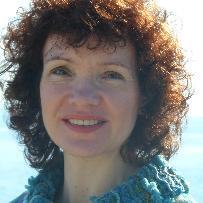
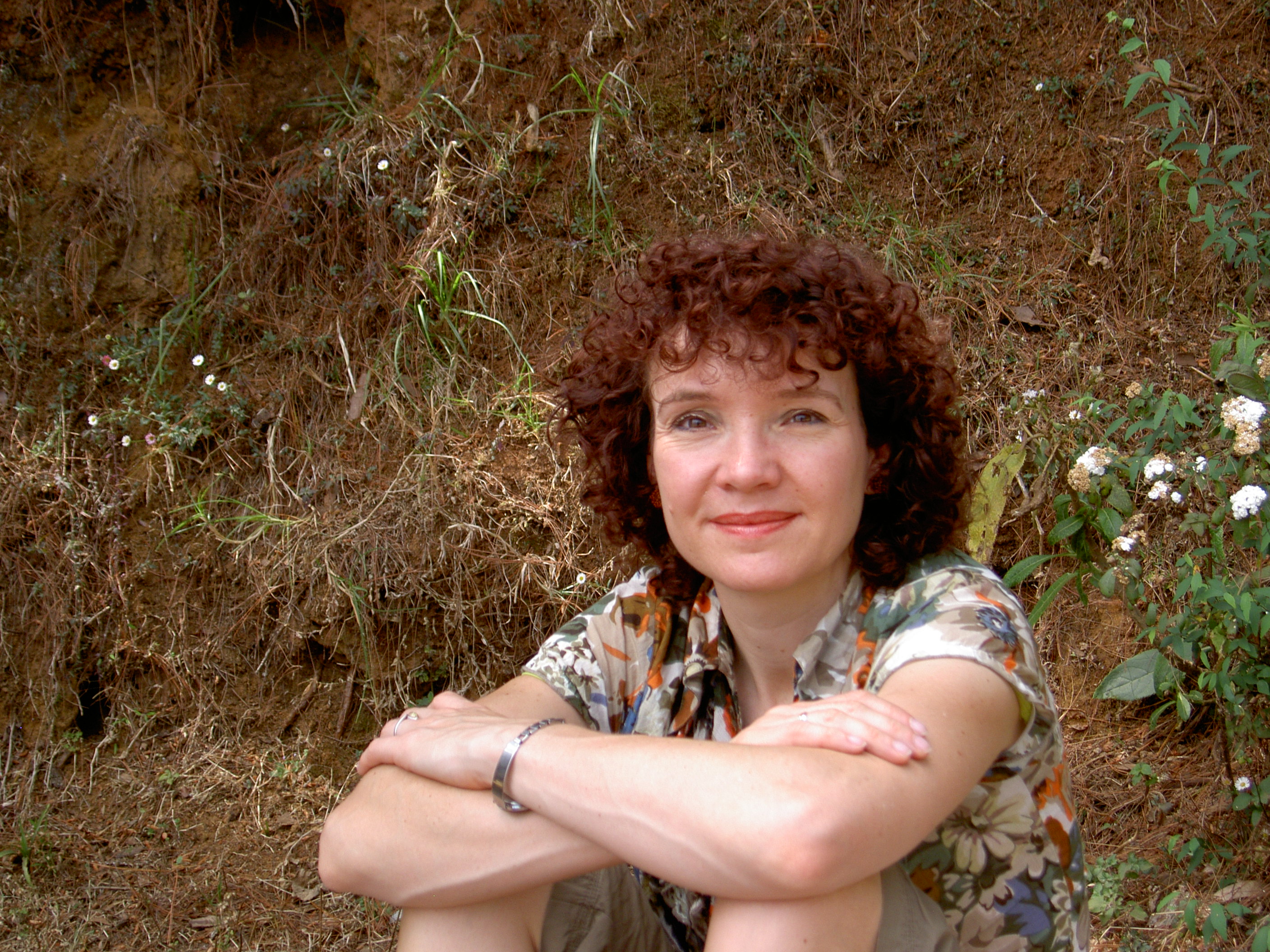
Until 2019, I (Dr Sandra J.T.M. Evers) was associate professor and senior researcher at the Department of Social and Cultural Anthropology, VU University Amsterdam. I specialised in Africa, Canada and the South West Indian Ocean (Madagascar, La Réunion, Mauritius and the Seychelles) and Europe. My research concerns indigenous studies, media & mediation, anthropology of children & youth, history and globalization, inequality, poverty, international development, natural resource management, "land grabs", othering and empathy, human and children's rights, applied and engaged scholarship.
Book
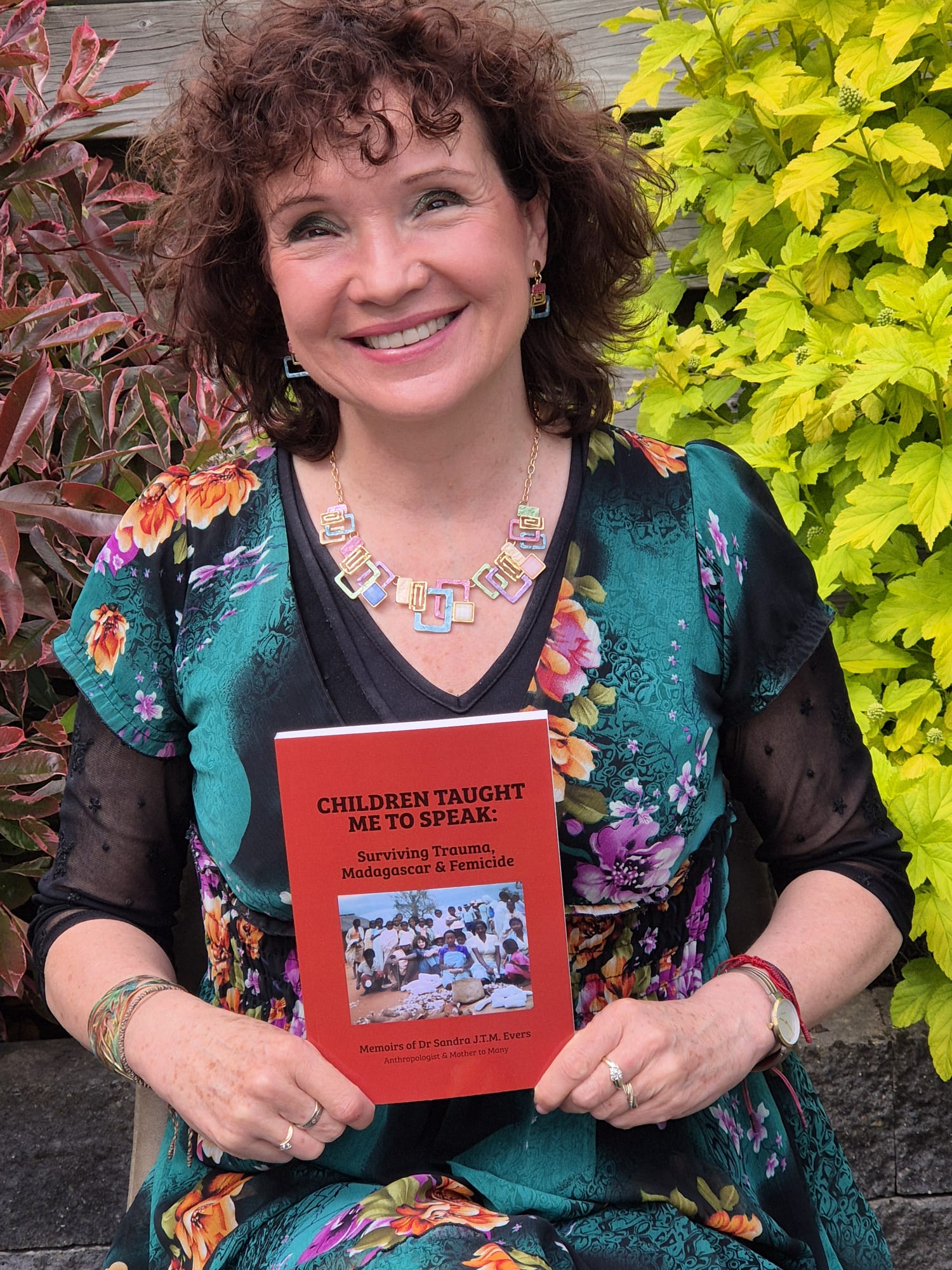
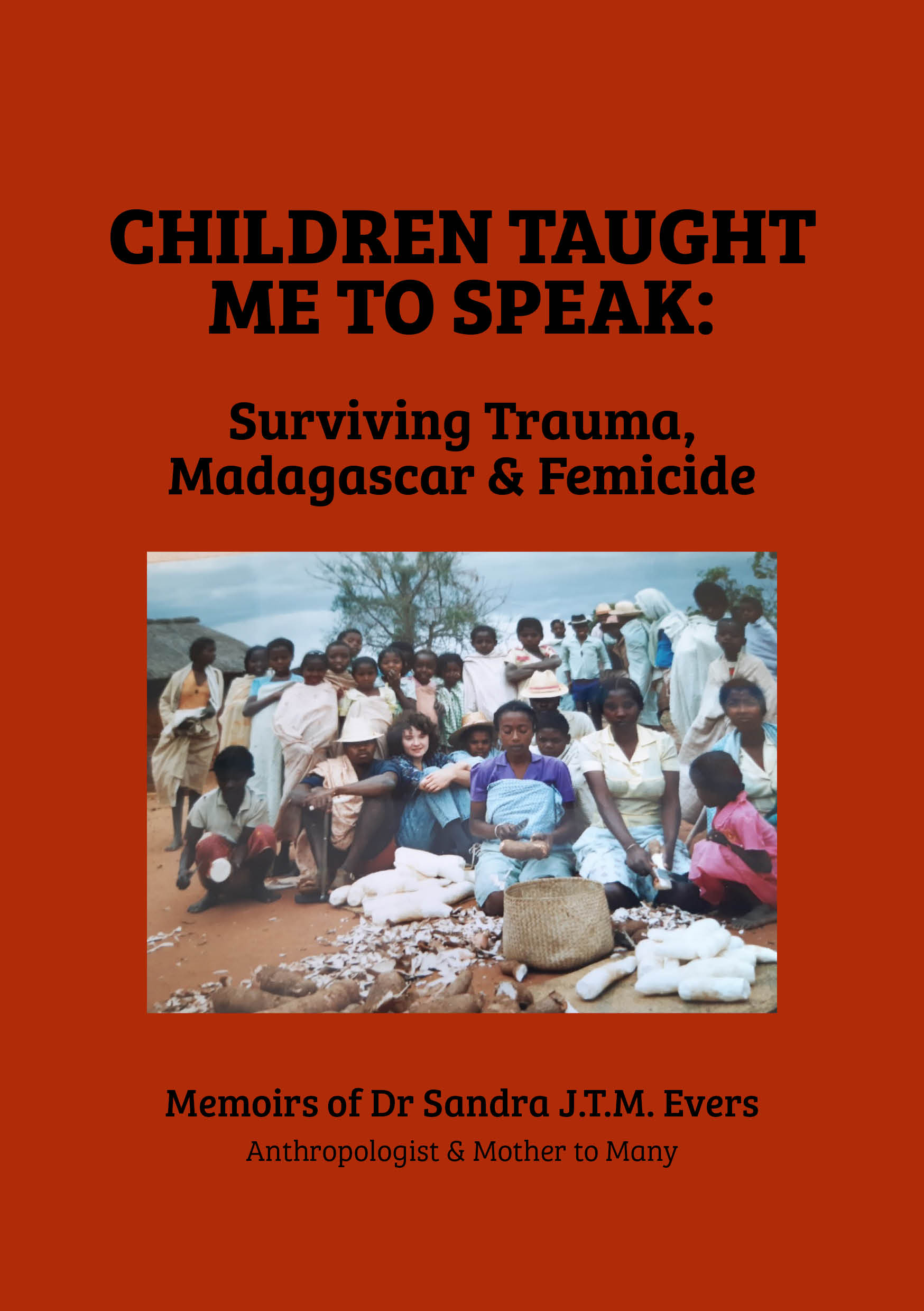
Children Taught Me to Speak
Surviving Trauma, Madagascar & Femicide
Summary
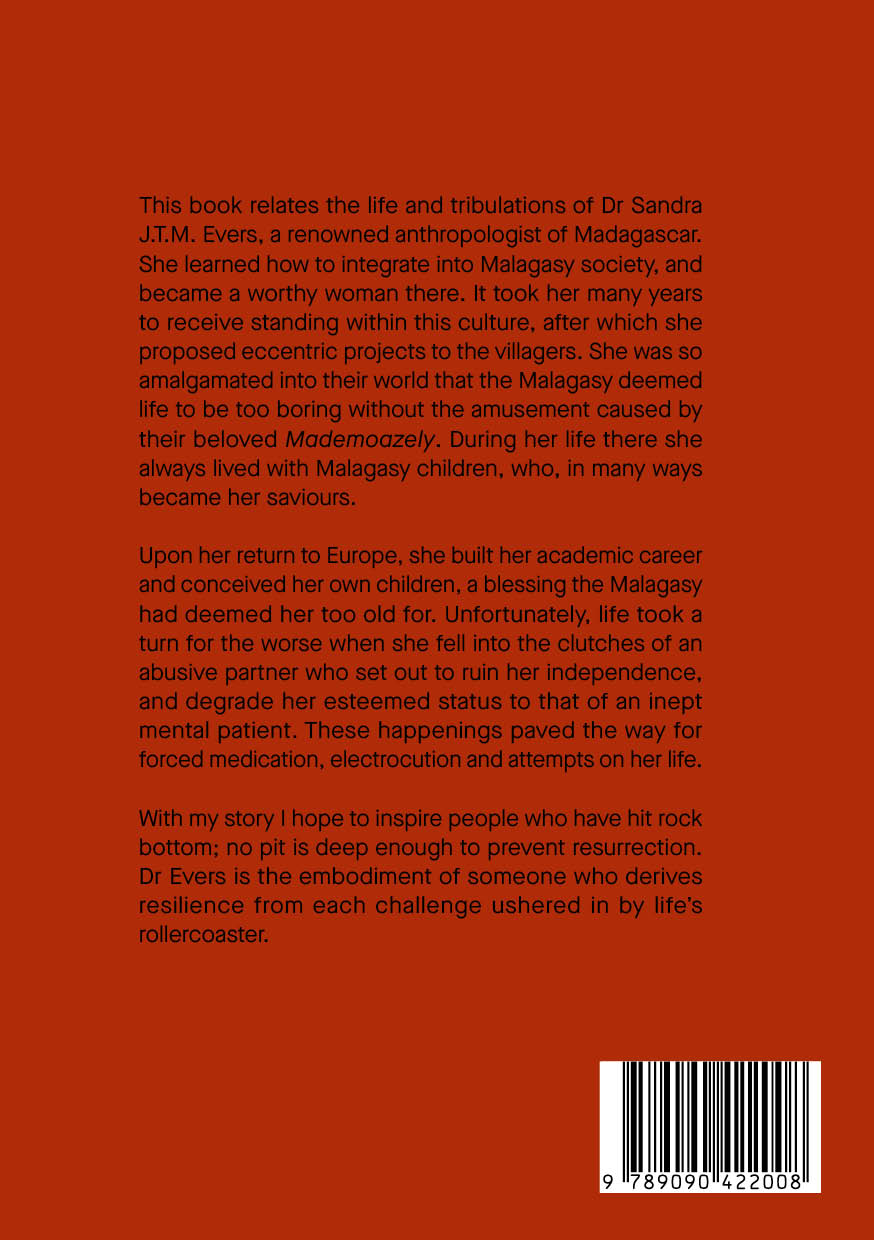
This memoirs relates the life and tribulations of Dr Sandra J.T.M. Evers, a renowned anthropologist of Madagascar. She learned how to integrate into Malagasy society, and became a worthy woman there. It took her many years to receive standing within this culture, after which she proposed eccentric projects to the villagers. She was so amalgamated into their world that the Malagasy deemed life to be too boring without the amusement caused by their beloved Mademoazely. During her life there she always lived with Malagasy children, who, in many ways became her saviours.
Upon her return to Europe, she built her academic career and conceived her own children, a blessing the Malagasy had deemed her too old for. Unfortunately, life took a turn for the worse when she fell into the clutches of an abusive partner who set out to ruin her independence, and degrade her esteemed status to that of an inept mental patient. These happenings paved the way for forced medication, electrocution and attempts on her life.
With my story I hope to inspire people who have hit rock bottom; no pit is deep enough to prevent resurrection. Dr Evers is the embodiment of someone who derives resilience from each challenge ushered in by life's rollercoaster.
Madagascar
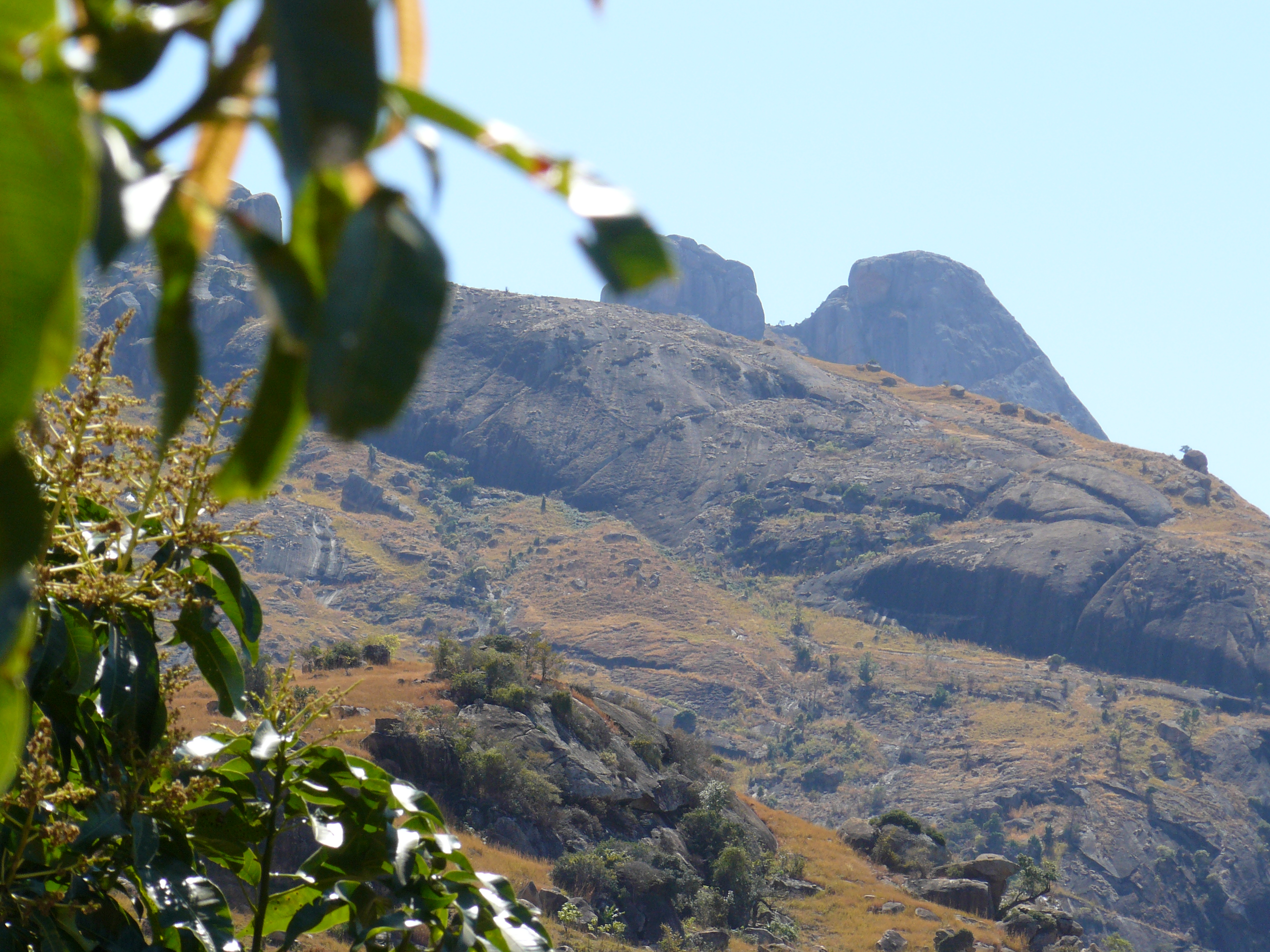
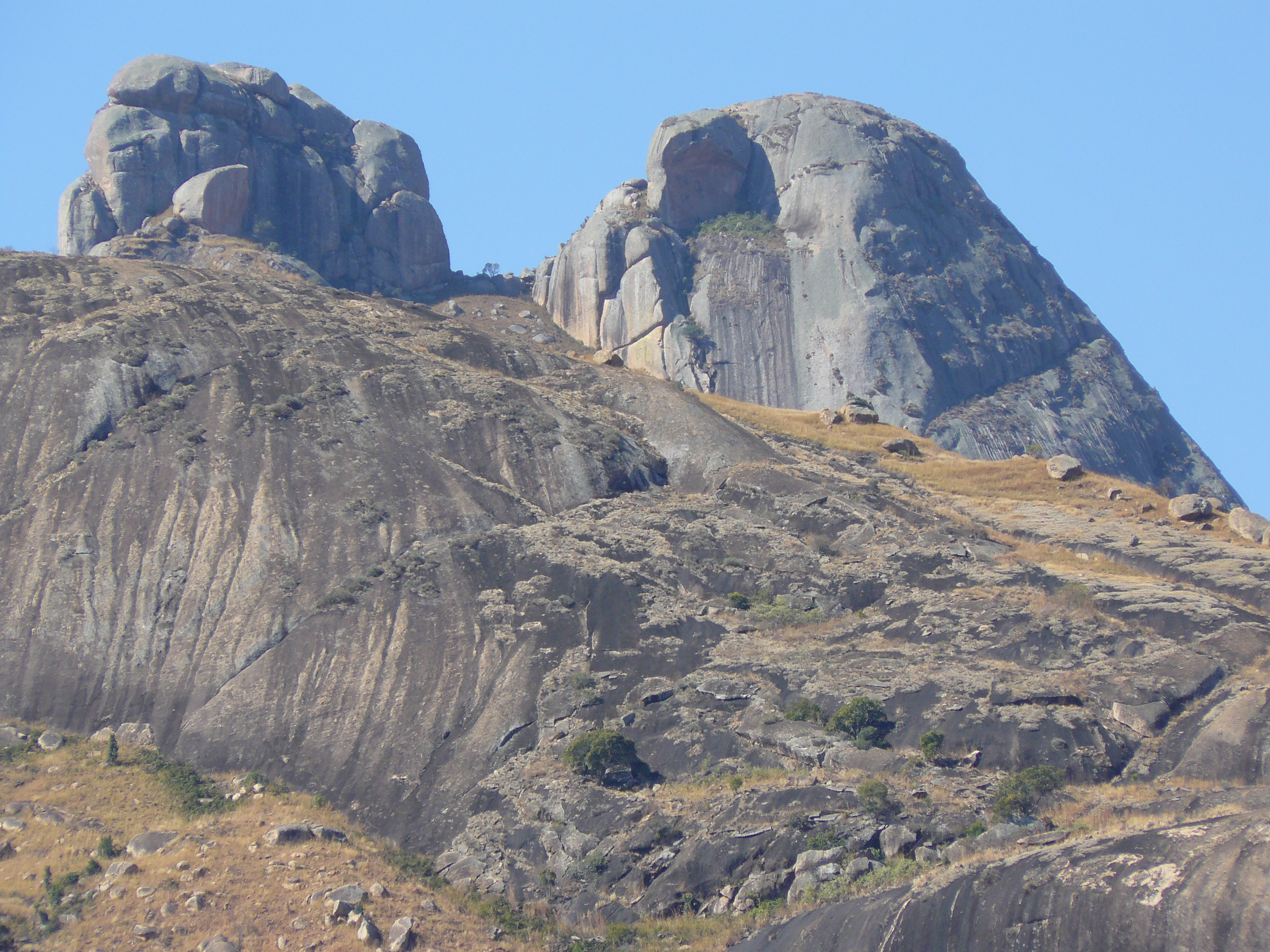
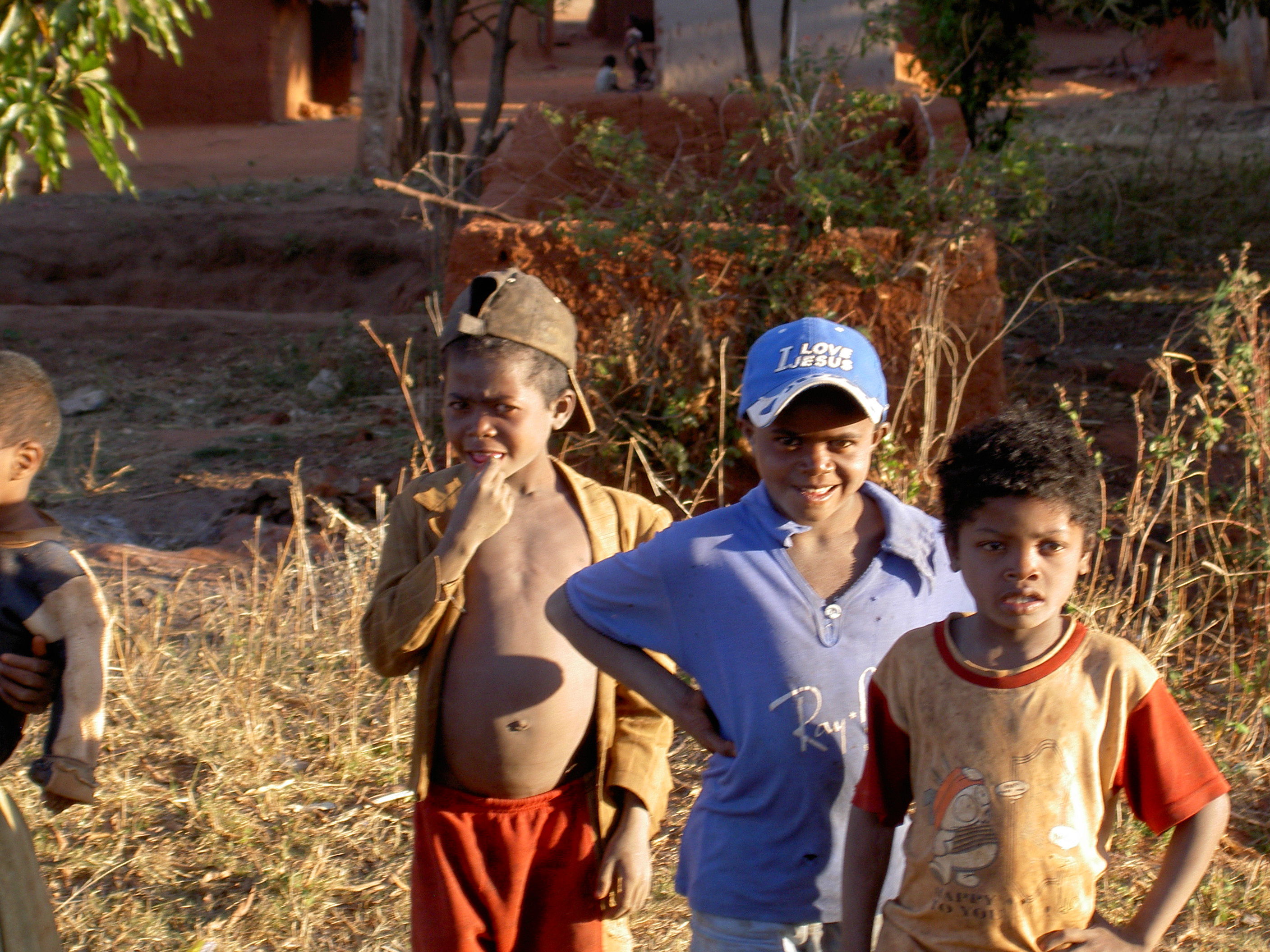
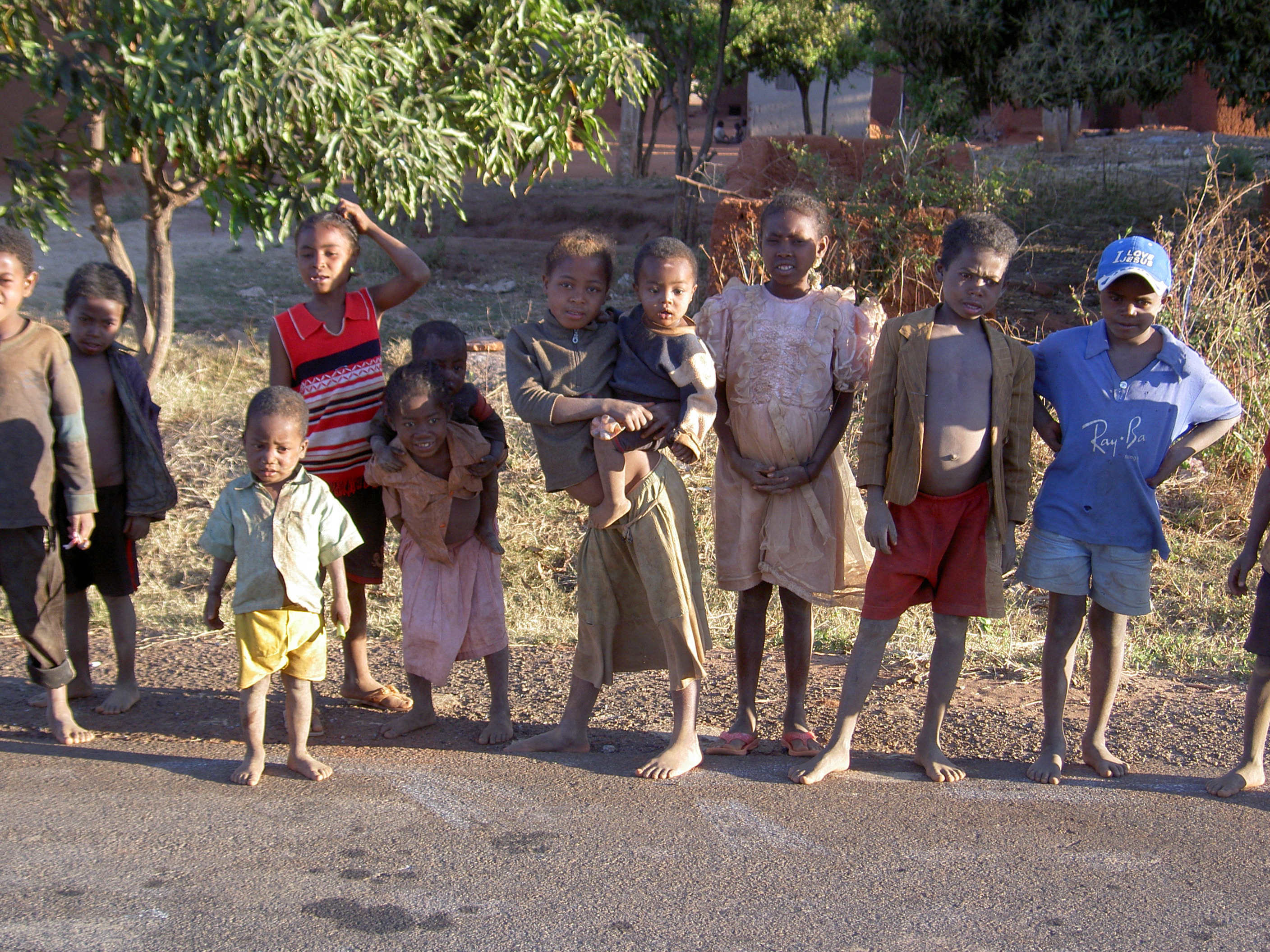
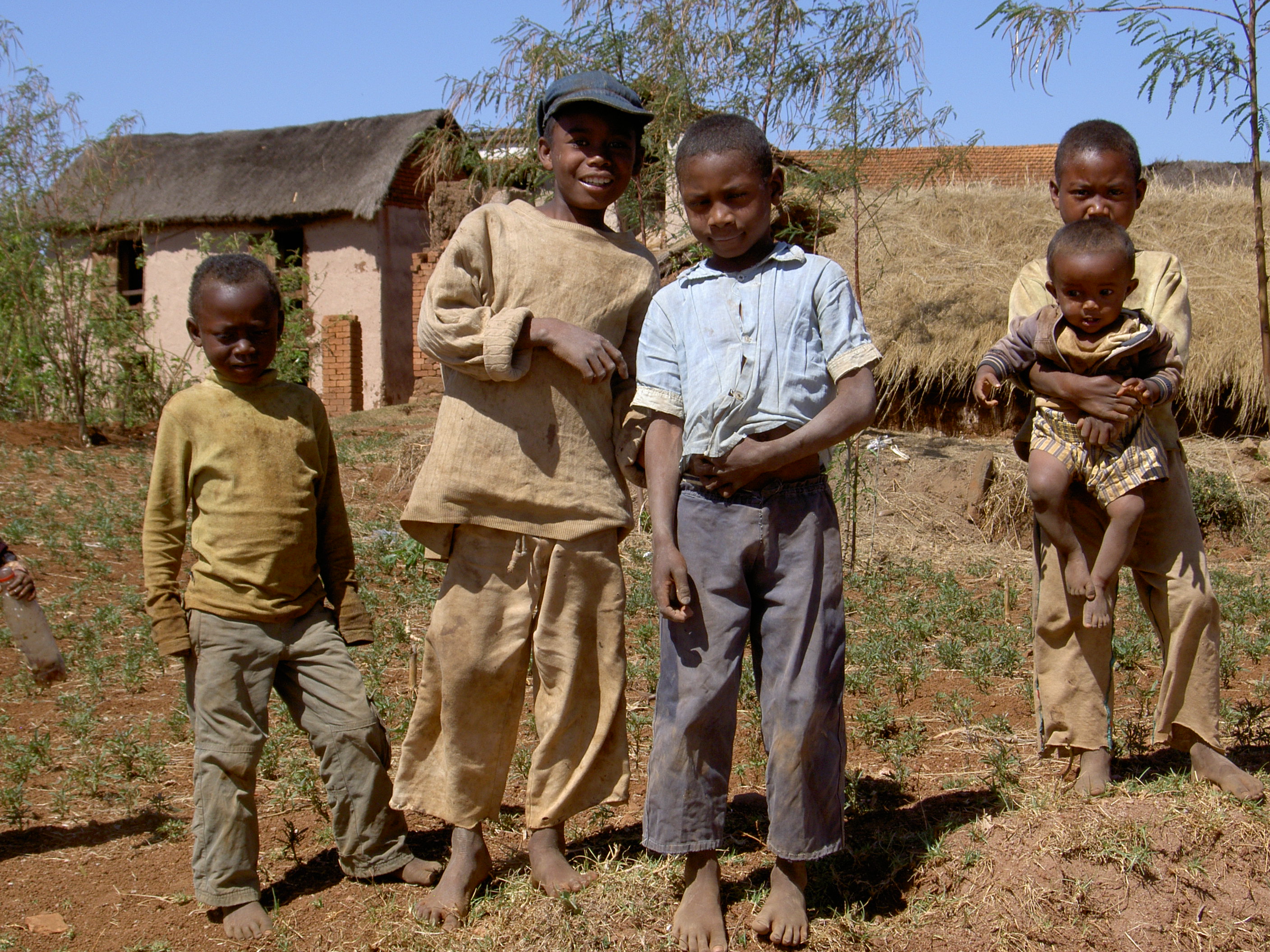
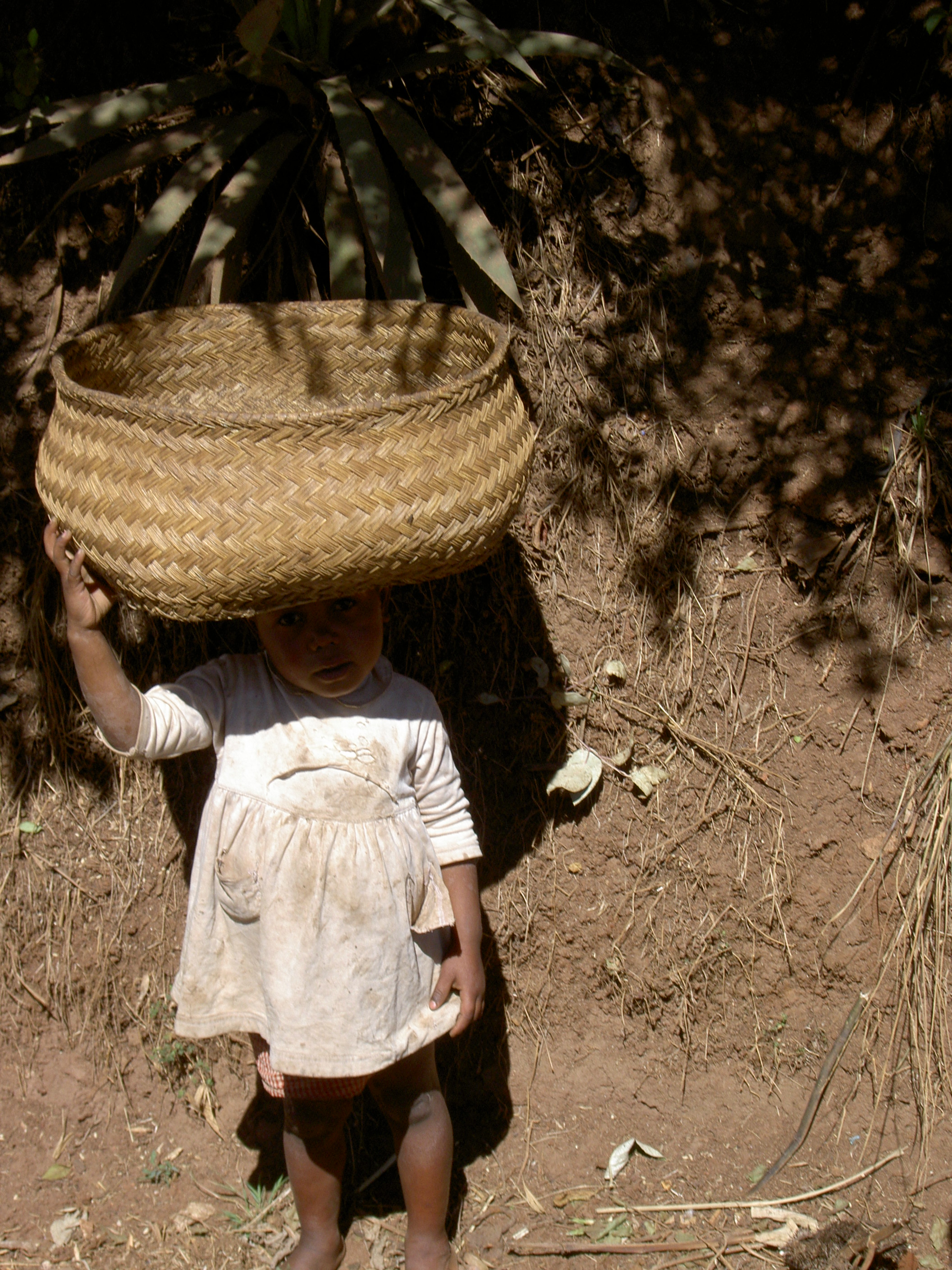
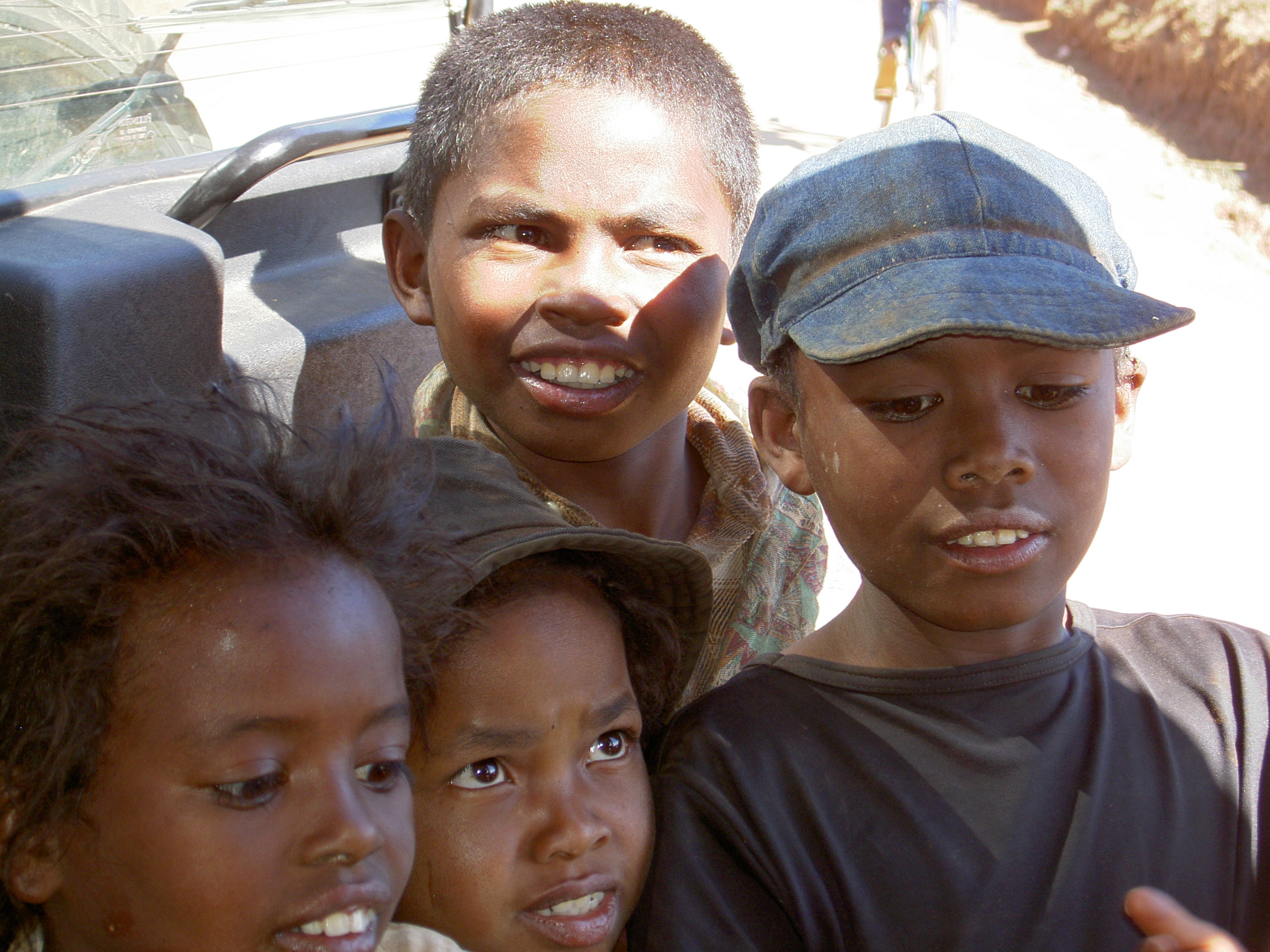
Soon after my 21st birthday, I was dropped as doomed in the Malagasy desert. Primed for hardship, I set off into the hinterland reputed for Brain malaria, gigantic rats, sorcery and other kinds of unpleasantries. The barren landscape was like a furnace with hot sand ridden winds hurting my face. After a seemingly endless walk, I encountered children with reddish hair and hunger mutated bodies. But why was their skin infested with wounds? I was shocked. Apparently the feeling was mutual, as they looked at me in disgust and fear.
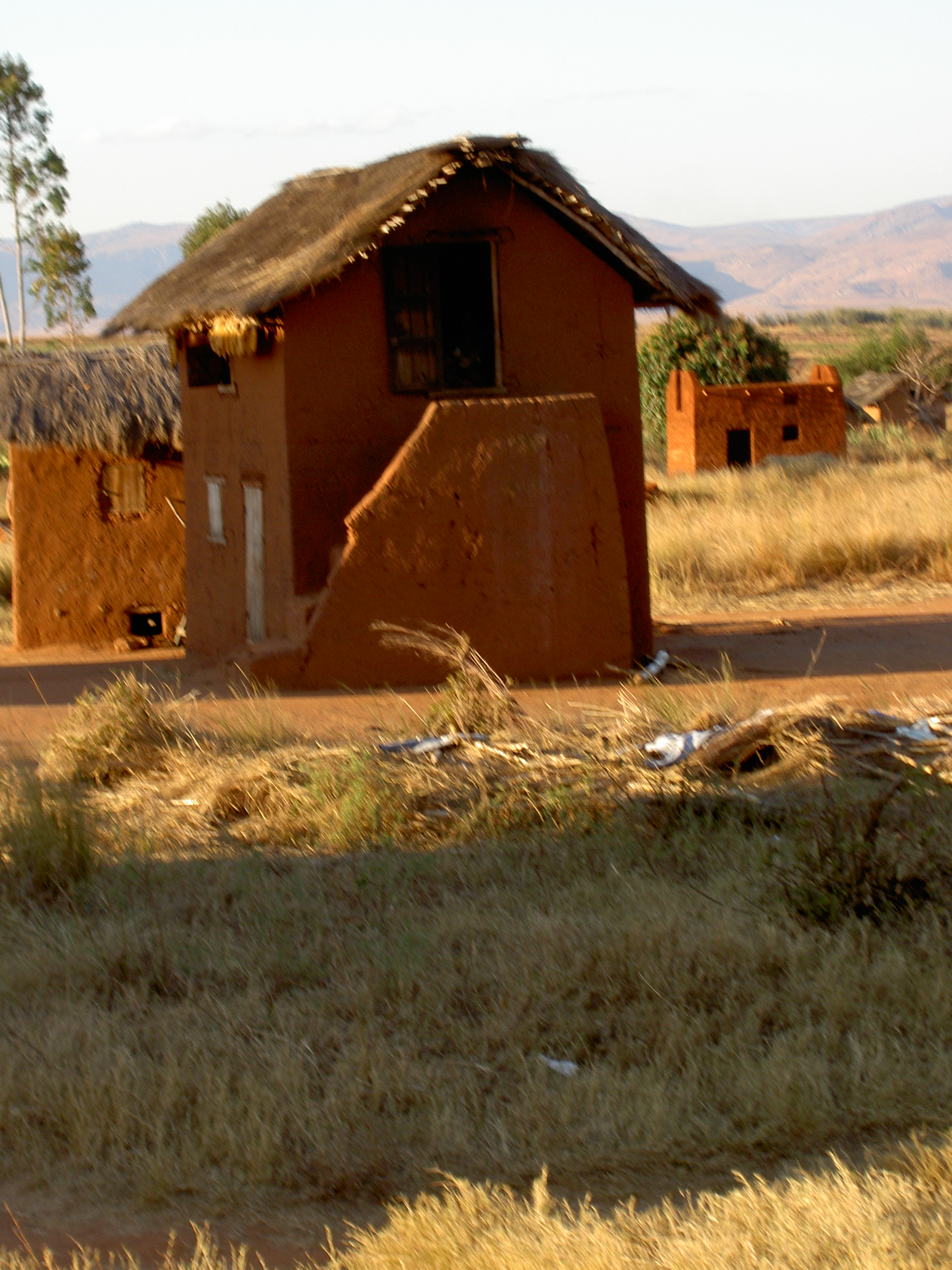
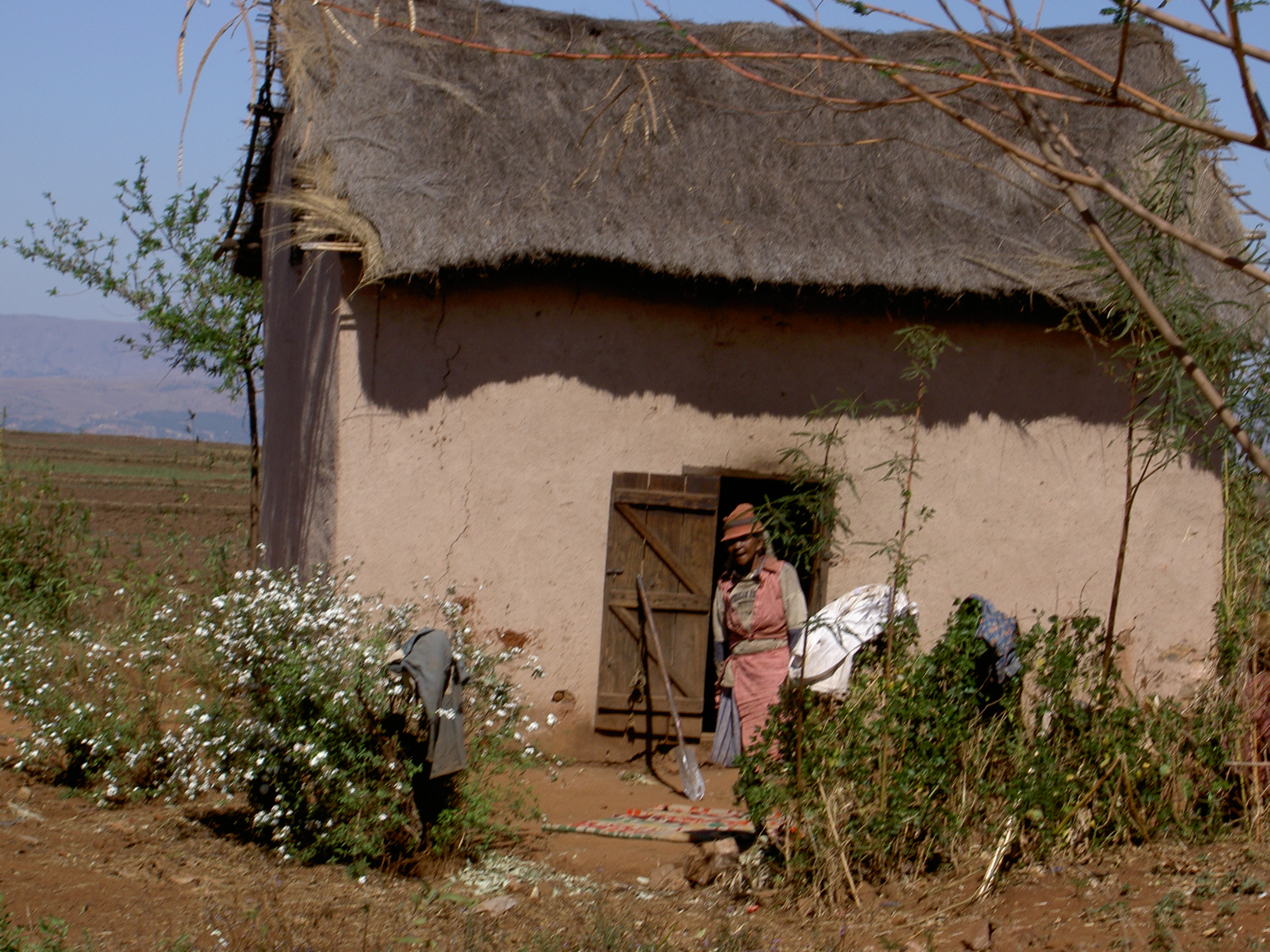
Eventually, I arrived in a small hamlet with dilapidated huts. Adults alongside the children now scattered around me. As the sun was setting, I got more and more anxious about how life would appear here in the pitch dark. I had to build rapport as soon as possible so I gave them my best smiles which made them only more nervous about my appearance. As it grew darker, an old man struggled his way towards me, speaking....Malagasy. Inapt to understand him, I treated him to more of my grimaces. Frustrated, he pointed to one of the mud huts. That is where I spent my first sleepless night, contemplating the ways I could die in this setting. I passed the time looking at the fire flies. Early morning however, I discovered it were countless eyes looking at me.... my first acquaintance with the Madagascar Rat.
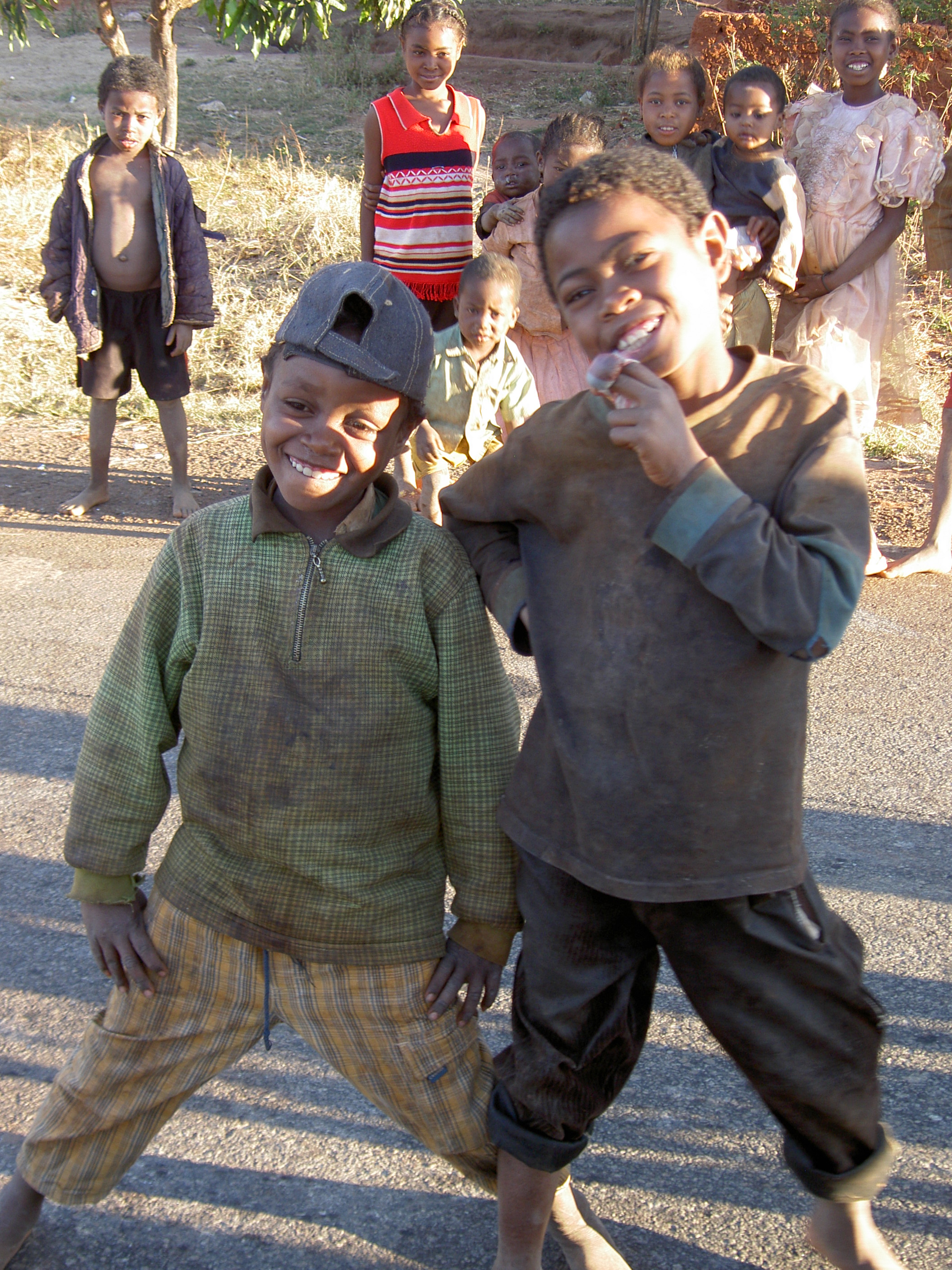
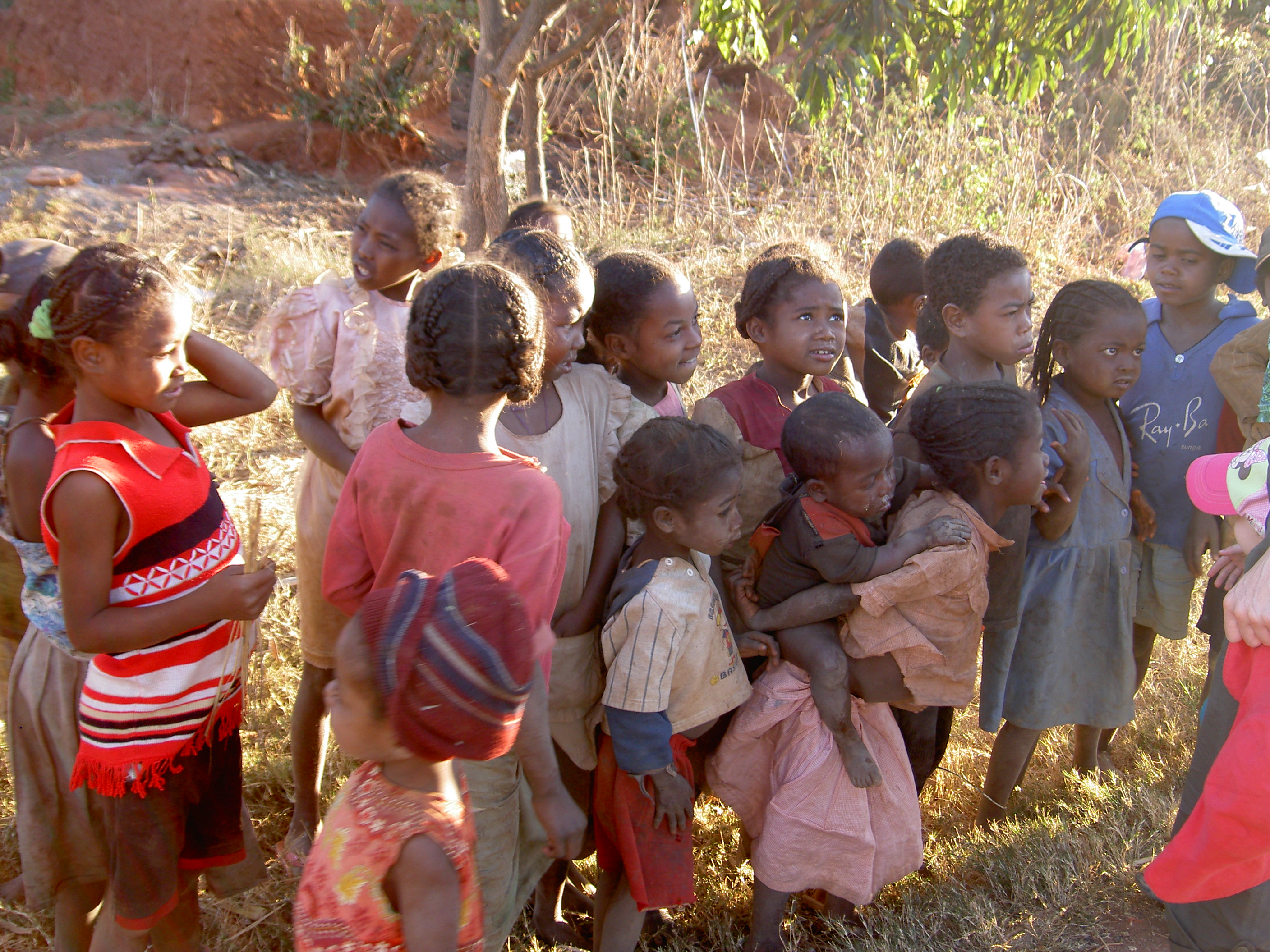
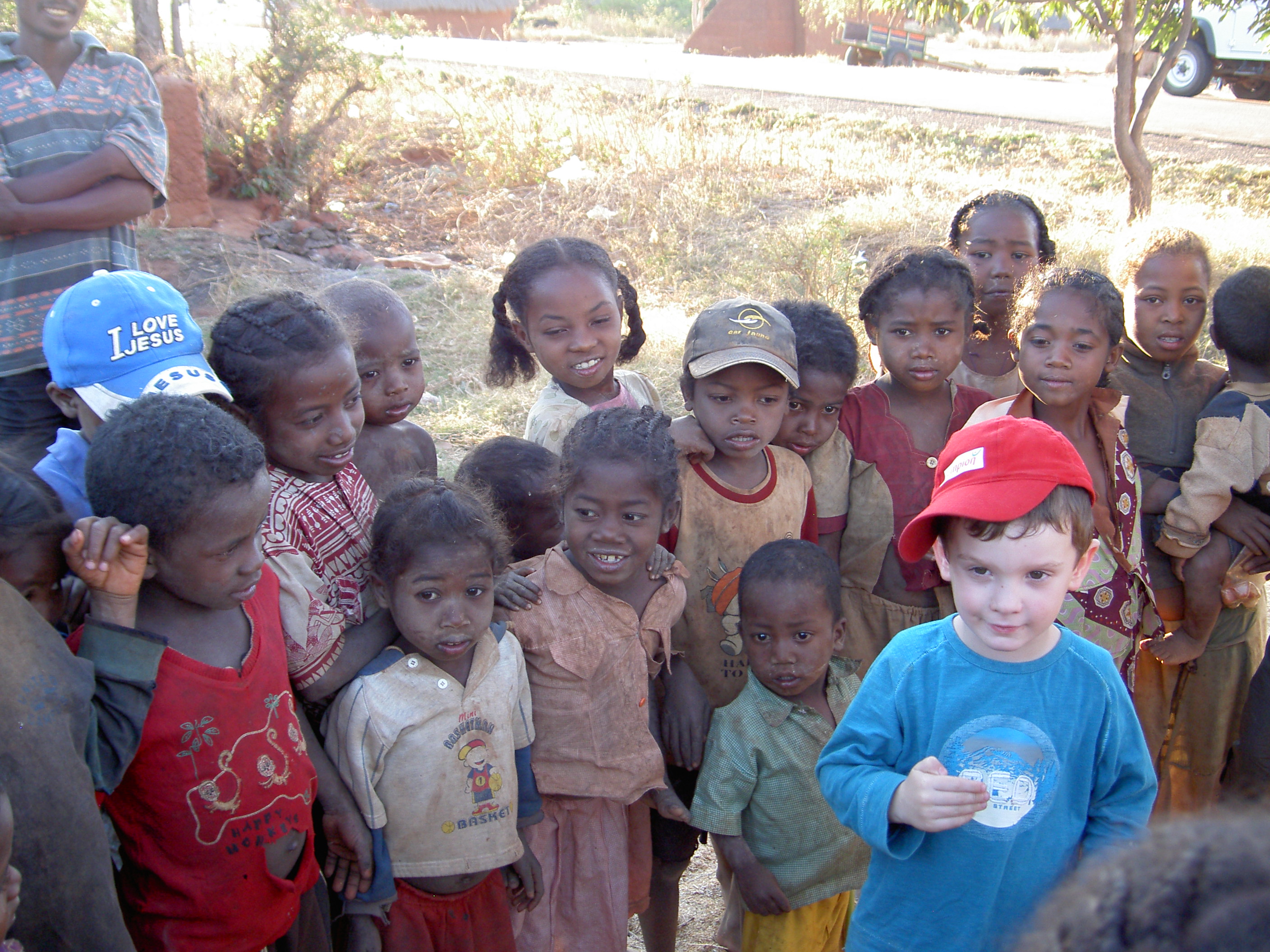
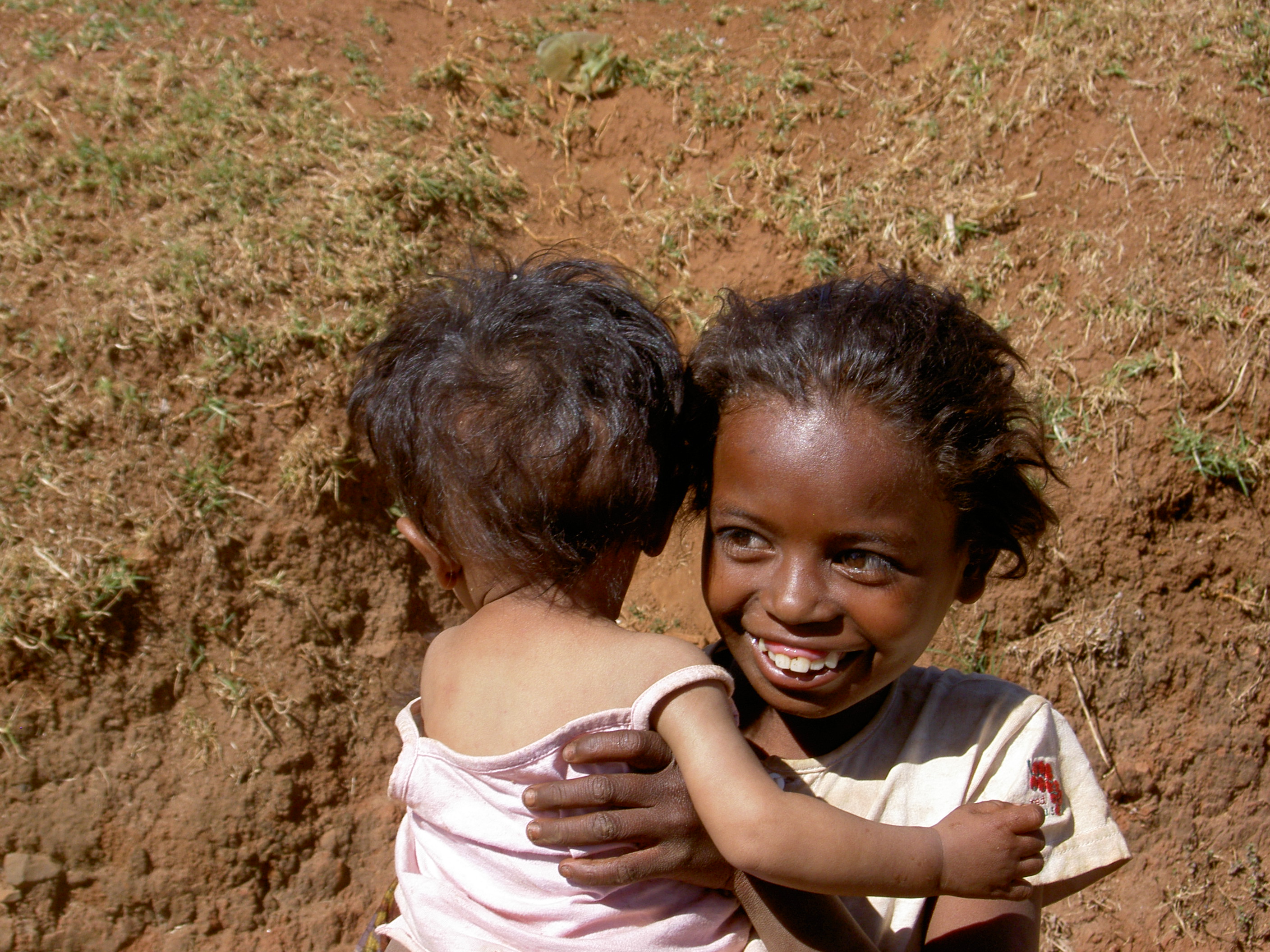
It was only a prelude of what was to come. The next day, I was first bitten and inflicted by a wound that took weeks to heal. It made me guarded, during the nights for the rats and the day for my misadventures surviving. Eager to leave my abode after the first night, I rushed out where a huge gathering of people was staring at me. The staring game ended when a screaming baby was put in my arms. Puzzled but going on their gesticulations, I figured they wanted me to help the baby. All I could resort to was my package of paracetamol and bottle of multivitamin. I crushed the medicine and together with my last bit of water, I gave it to the baby. After half an hour my magic kicked in and the baby stopped crying. The villagers saw me as their saviour, at least so I thought. My magical skills, evaporated later that day when the baby was no longer under the influence of paracetamol. I had nowhere to go which also was obvious to my entourage. So I commenced my apprenticeship learning "how to behave like a Betsileo" (mitondra tena Betsileo ianao). Little did I know that they were in fact grooming me for marriage....
Results
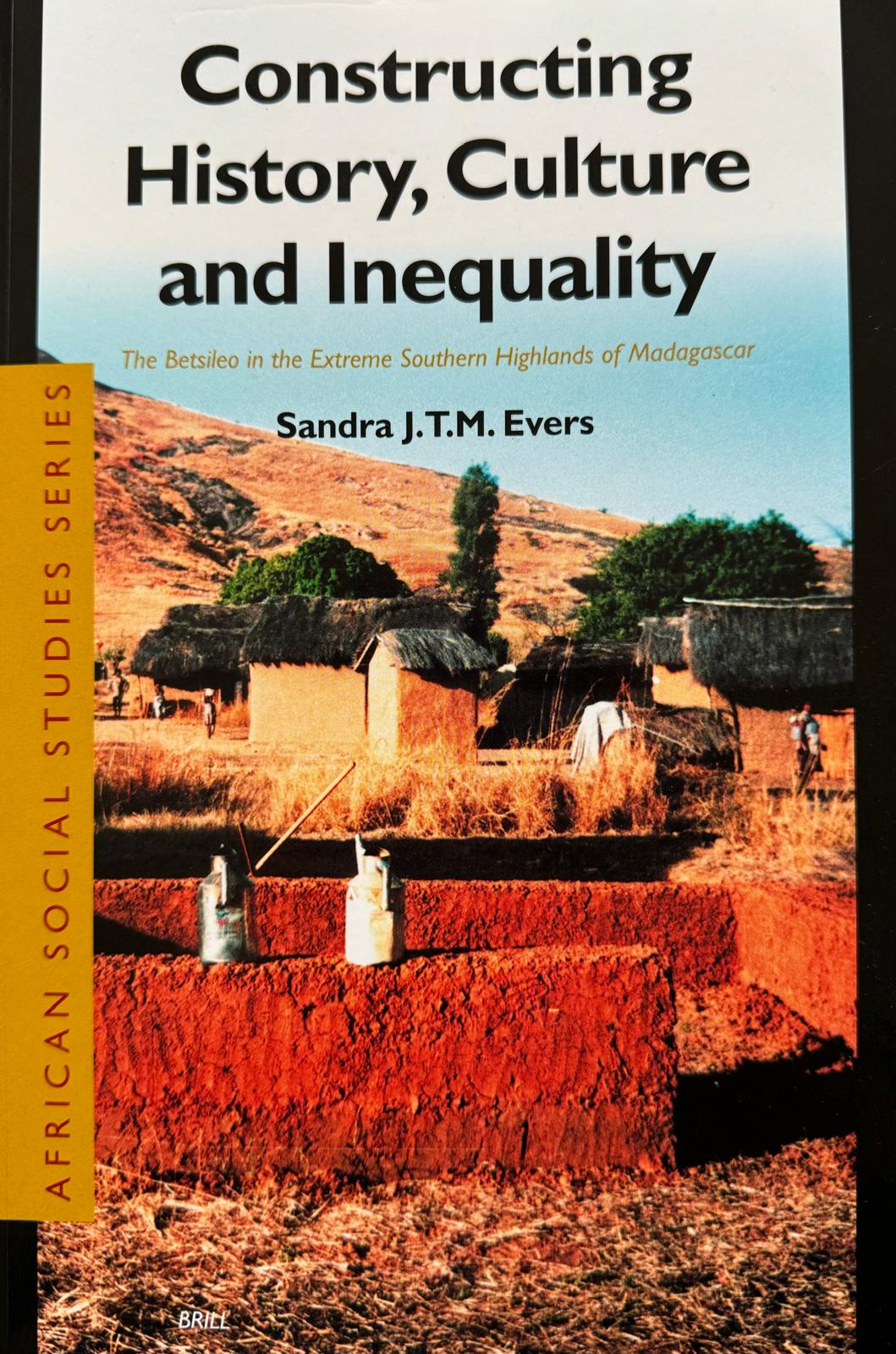
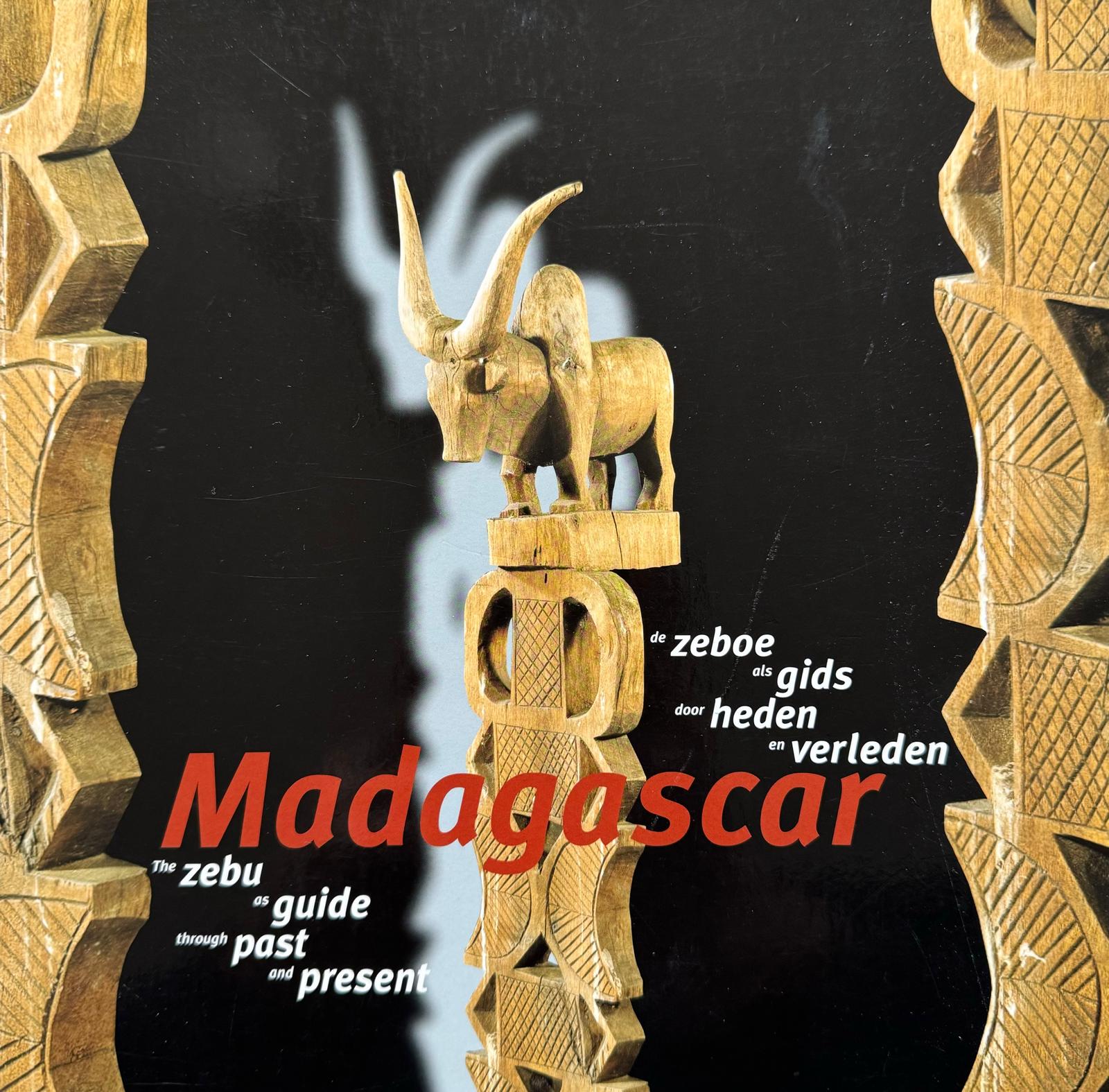
First exhibition on Madagascar in the Netherlands:
Seychelles
Freshly married, I left for the Seychelles with my husband and eight month old son. After years of trying, I finally secured my research permit for independent research into the popular histories of the Seychellois since independence. No such scholarship existed. Books that had been published were commissioned by the Party and read as touristic brochures. The next day after landing, we were summoned to report at the Ministry of Culture. While my husband and son were seated in the waiting room, I was led into a room full of people with scrutinizing glares. Very intimidating. The person at the head of the table explained how I was the first foreigner they had approved and they also had already prepared my research query for me: "Why are Seychellois men so lazy and how can we make them work harder?" After I politely declined, they informed me that I had just created a huge problem for myself and my family. The extent of the problem, we were soon to find out.
The next morning, a police car was parked outside our rental house. It did not take long before we received the first threats over the phone. We had to keep an eye on our son, as "kidnappings are frequent in the Seychelles". The anonymous phone calls also led to the realization that our phone was tapped. That the threats were very real, we found out when the brakes of our rental car were sabotaged, and we narrowly escaped a fall into a ravine. After I had placed an ad in the newspaper for a research assistant, the one and only candidate turned out to be a spy of the Ministry of Culture. We noticed that we were followed and were faced with several break-in attempts. Despite all the odds against me, I managed to conduct my research. Much to the dislike of the Ministry. When the threats became too real, we escaped the country. However horrible this all was, I simultaneously had come to realize that the biggest threat to my wellbeing was the person I had just married....
Results
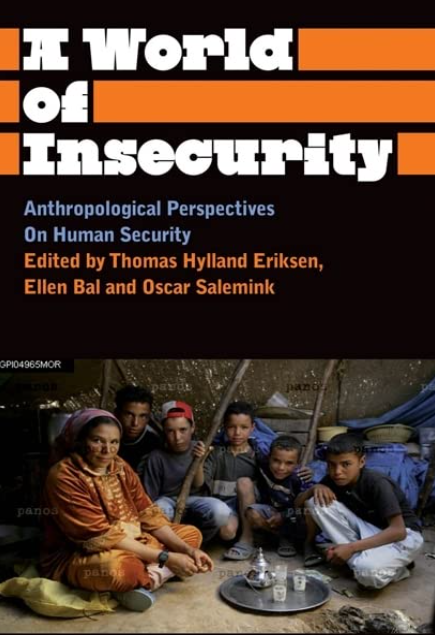
Tales from a captive audience: Dissident narratives and the official history of the Seychelles, S.J.T.M. Evers, in:
Mauritius / Chagos
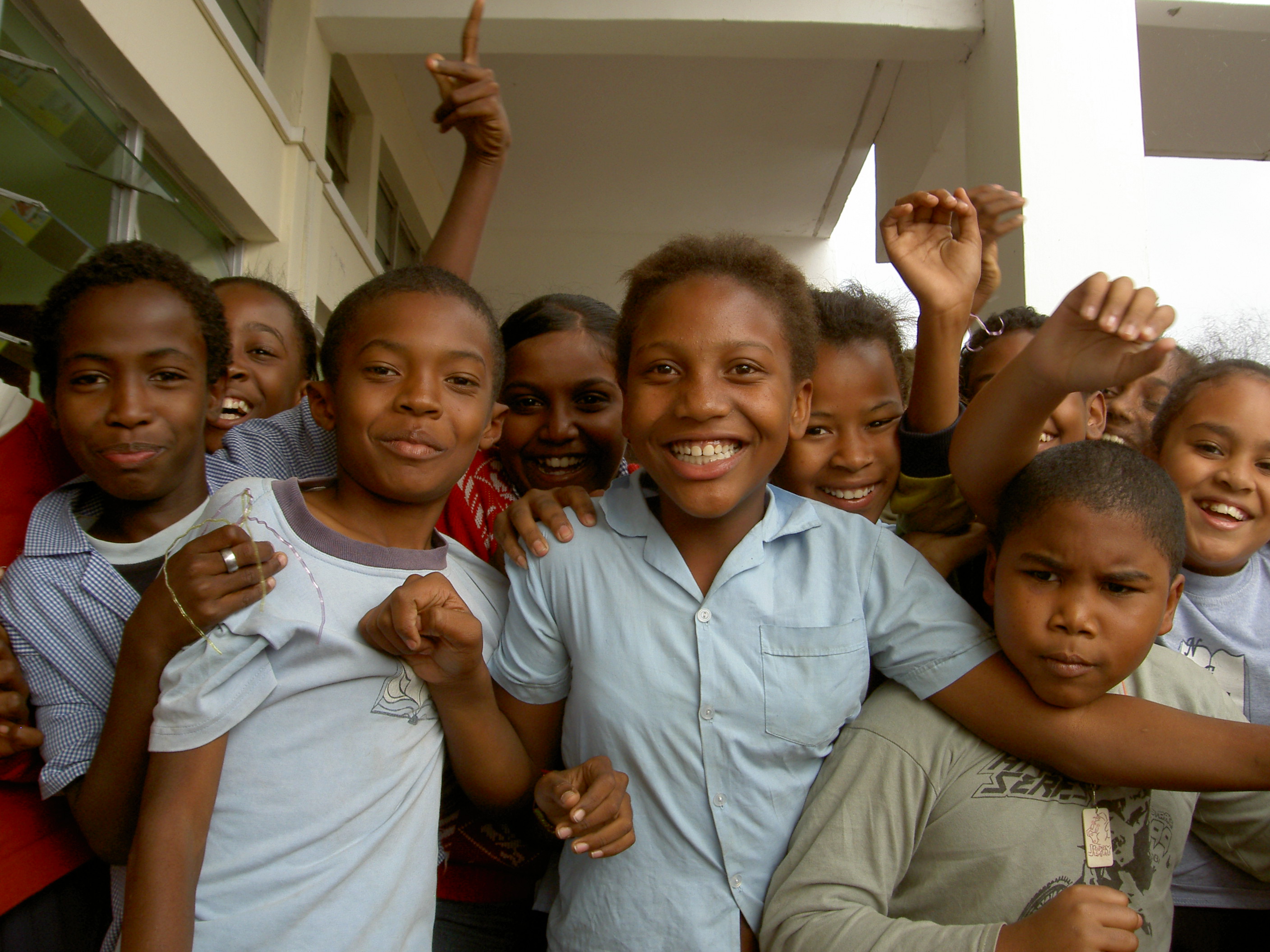
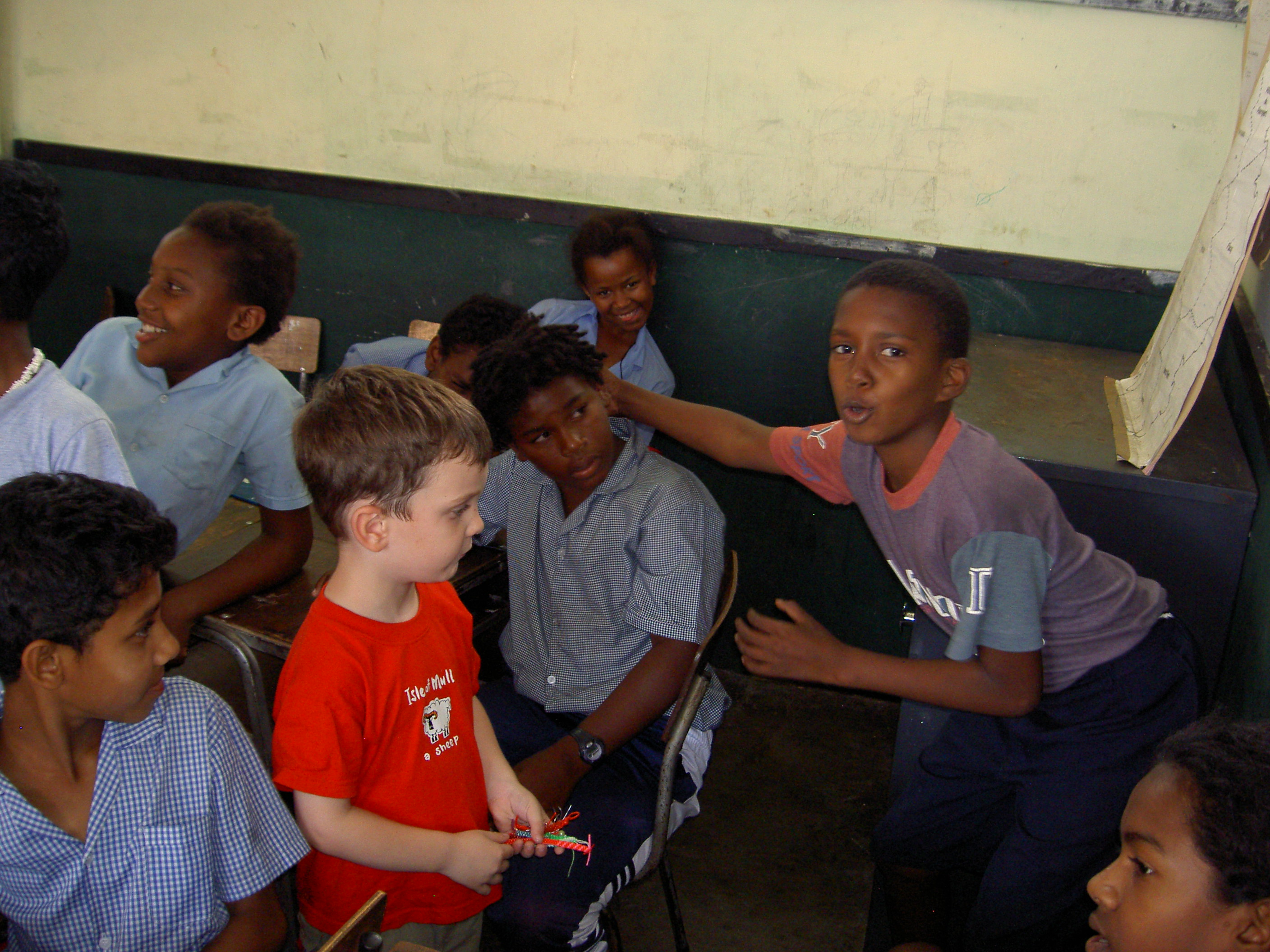
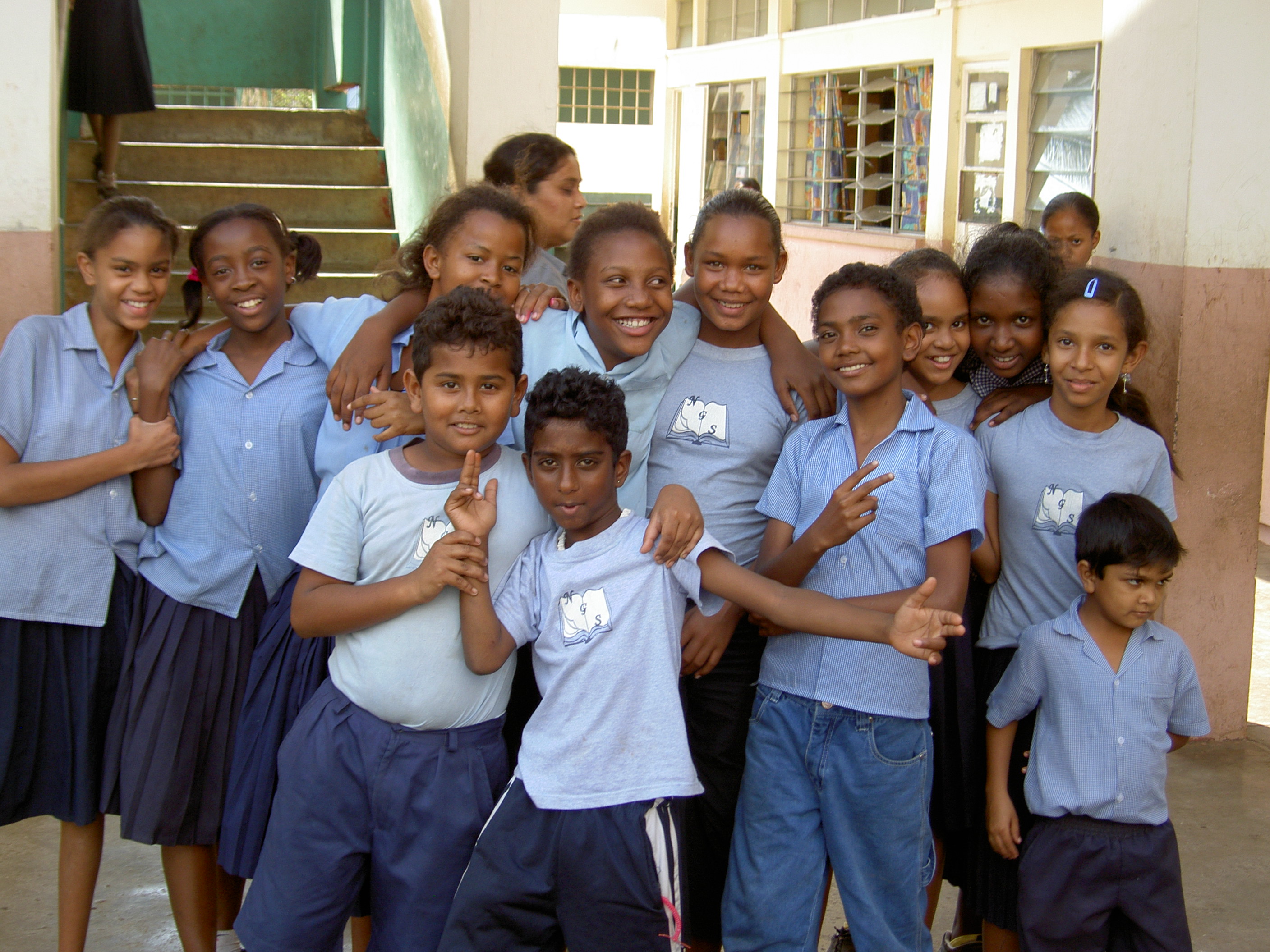
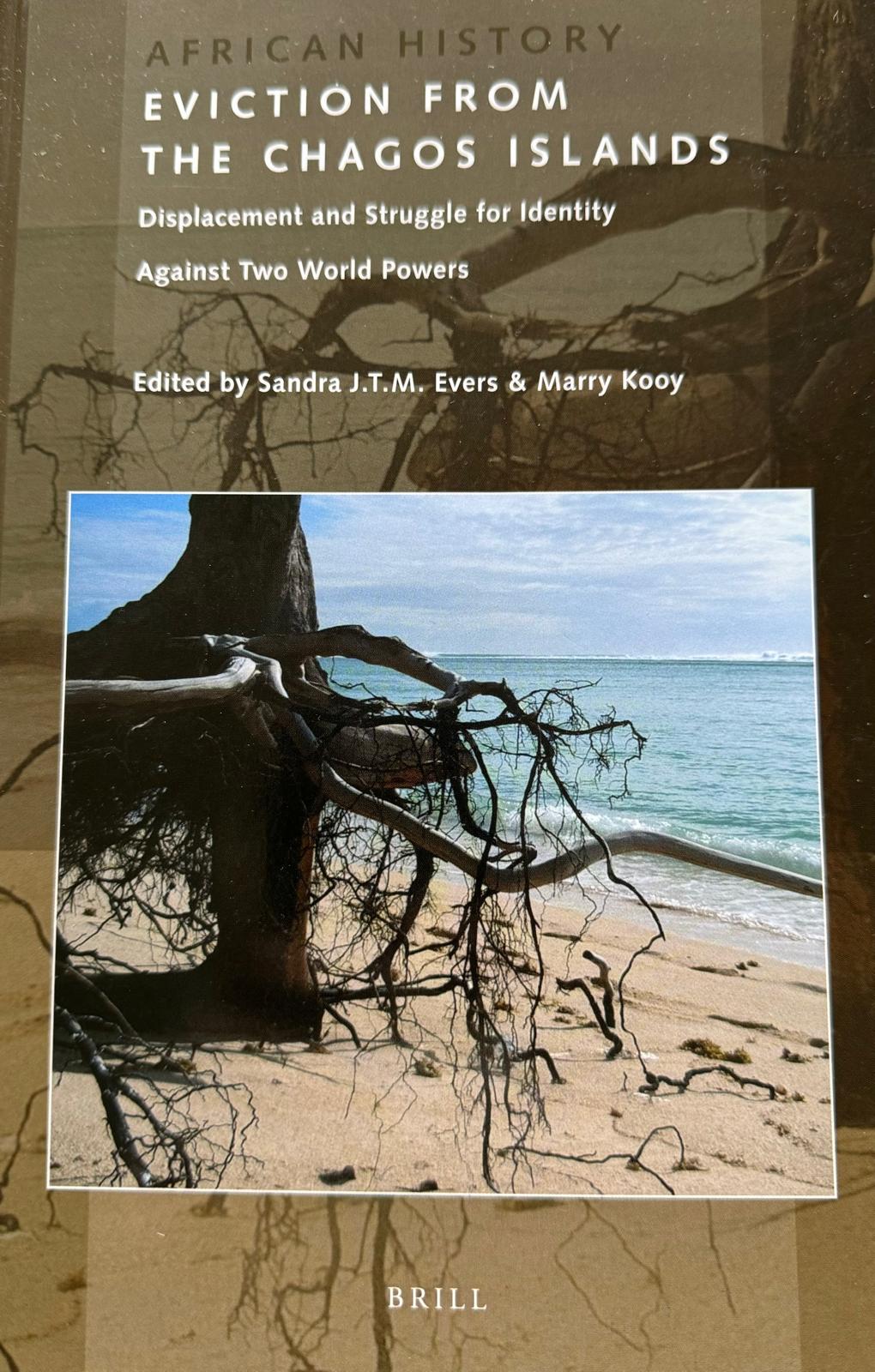
When my children were three and one, I first did research with them in Mauritius among Chagossian children. The Chagossians were evicted from the Chagos archipelago in the Indian Ocean to make way for a strategic U.S. military base. Initially part of colonial Mauritius, Chagos was integrated into a new colony named the British Indian Ocean Territory in 1965. In 1966, Great Britain transferred control of Diego Garcia, the largest Chagos island, to the Americans under a fifty year lease. The expulsions which followed were designed to satisfy the U.S. demand for an unpopulated territory. The Chagossians were thus forced to resettle in Mauritius and the Seychelles, where livelihoods are poor and marginalized. The Chagossians are currently engaged in a campaign seeking right of return to the archipelago and recognition as a people forced to live in diaspora. My children worked as a magnet for the Mauritian children and the research was the first in which I developed new methodologies to work with children. It highlighted the importance of also focussing anthropological research on children and youth. It was a revelation and prompted me in initiating the anthropology of children & youth.
Results
Anthropology of Children & Youth
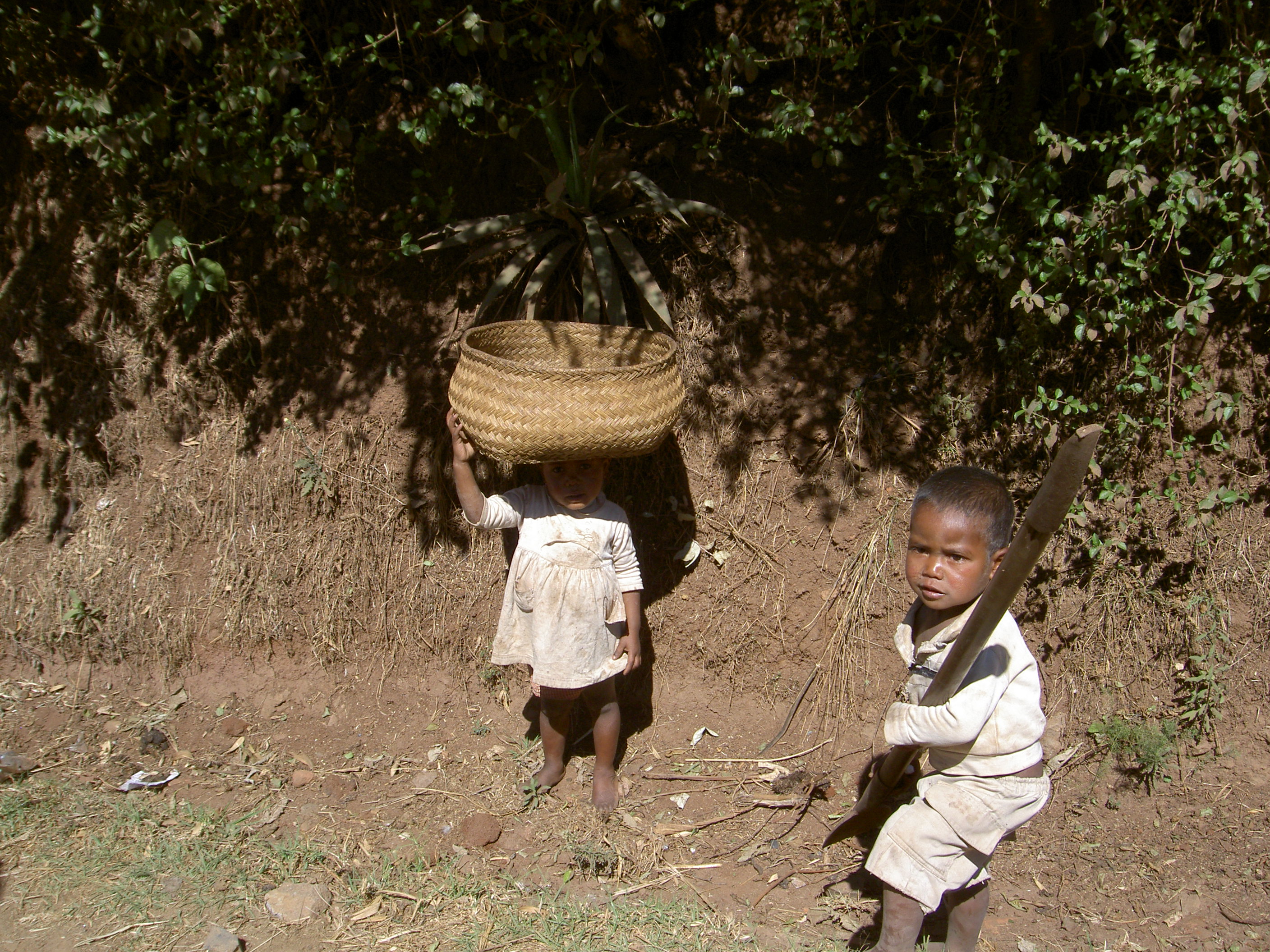
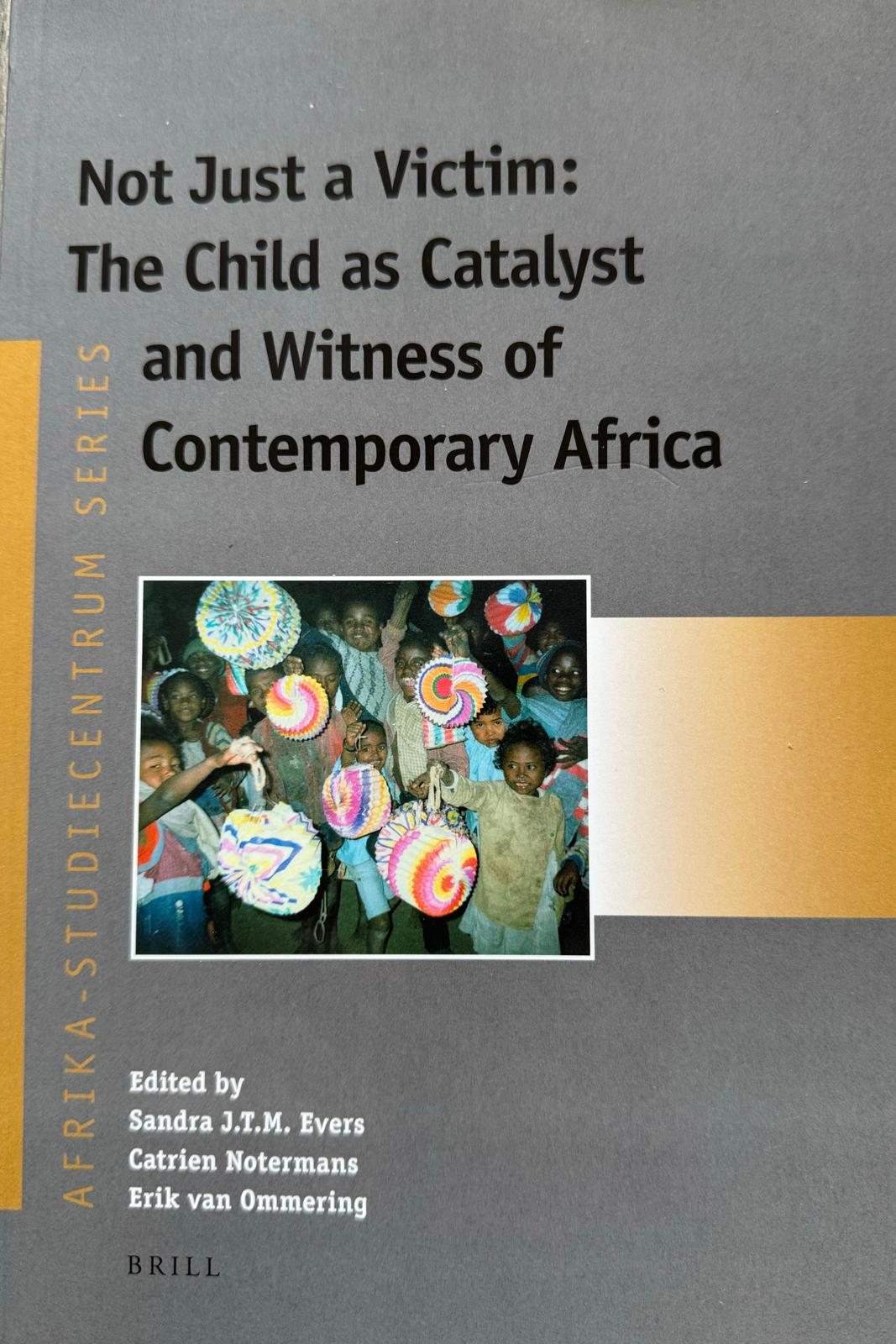
In Madagascar, I survived thanks to children. They taught me the Malagasy language and all other basic things like making fire, cooking, carrying water on my head, proper behaviour as a Betsileo and the like. Reviewing the book I composed based on the research, I was kind of shocked to discover that the children who were so prime in my survival were largely absent from my writings. That probably was due to the fact that I was taught to focus on elderly people as they were presented as "living libraries" in my studies.
Having children myself and learning from them on a daily basis, I was impressed how smart and reflective children are. My son was only three when he explained the difference of God and Superman to me: "Superman flies just as God. But Superman just saves the world. God also made it." Both my Mauritius and Madagascar experiences, and my interactions with my children, prompted me to develop the Anthropology of Children & Youth which came with its own unique research methodologies.
I developed several research programmes (like: "Mediation and Intermedial Dialogue: Children's Rights, Globalization, Empathy and Othering"), trained and supervised master and PhD students. I was the initiator and chair (2009–2018) of the Anthropology of Children and Youth Network of the European Association of Social Anthropology (EASA). I also became ambassador for childhood of the Association for Childhood Education International (acei.org). The Ambassadors for Childhood Program enlists leading children's experts and advocates in encouraging all organizations to consider children in their decision-making. The ACEI has a consultative status with the United Nations.
Results
Land Grabs
In Madagascar, I learned that land was the basis for civilisation — both economic and existential. On their land, Malagasy built their tombs which served as the portal to the hereafter. Something that Malagasy strived for their whole lives. It alarmed me, when I heard of the first stories of organisations buying and leasing large tracts of land while evicting local farmers. On a global level, the scale of such land acquisitions has increased significantly.
From 2004 to early 2009, at least 2.5 million hectares were transferred in five African countries alone (International Food Policy Research Institute). Recent estimates point to land acquisitions that each encompass millions of hectares of land. Of concern is that the land leased by African governments to foreign interests was previously occupied by poor local and indigenous populations who have little control over such land transfers.
I composed my first large research programme which included extensive training programmes for master and PhD students, also from developing countries. The programme was entitled "Development as a Trojan Horse? Large-scale Land Deals in Ethiopia, Kenya, Madagascar, Senegal". It was financed by Dutch scientific organization NWO WOTRO (Netherlands Organisation for Scientific Research).
Read more about the NWO WOTRO project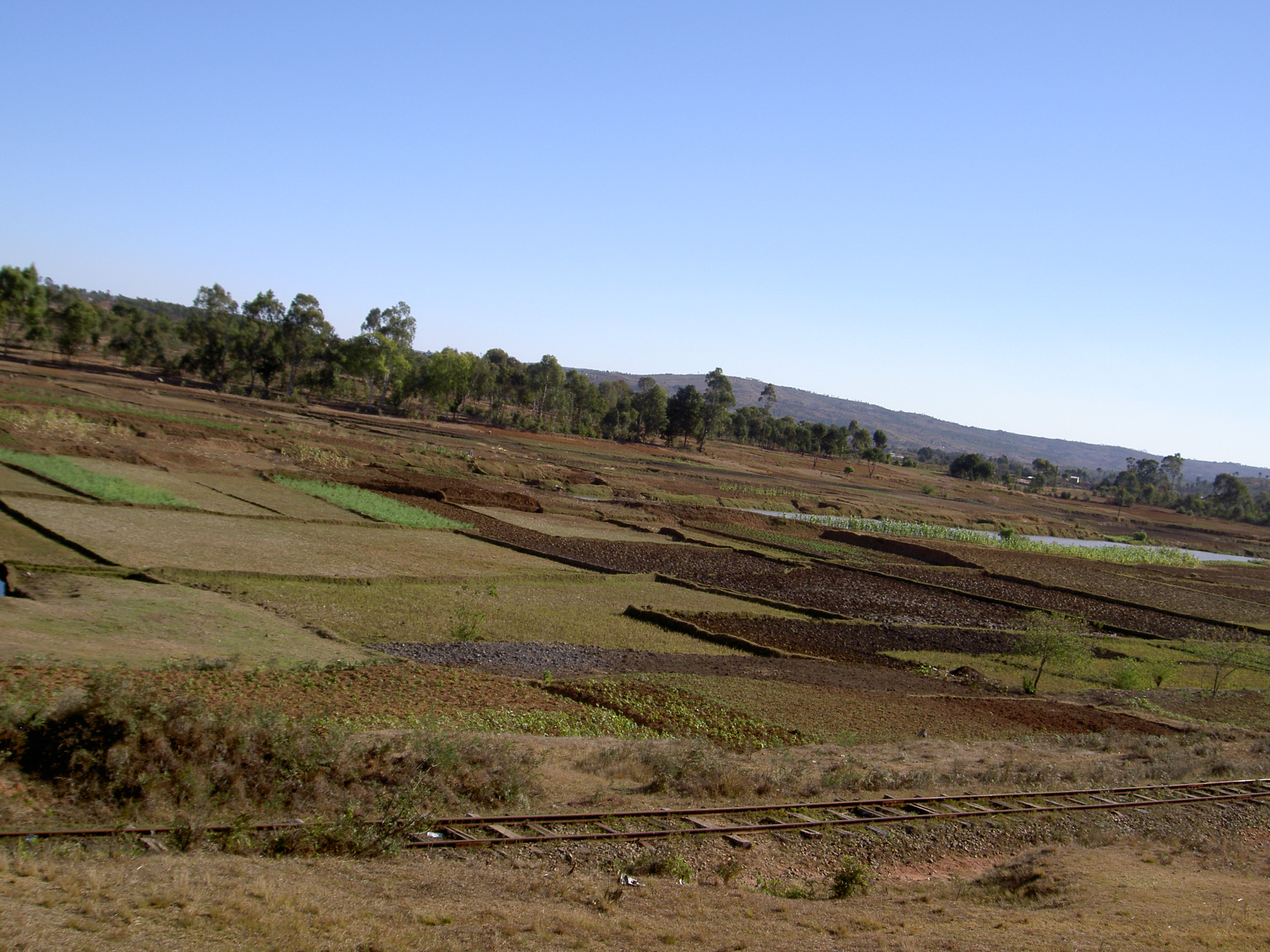
Results
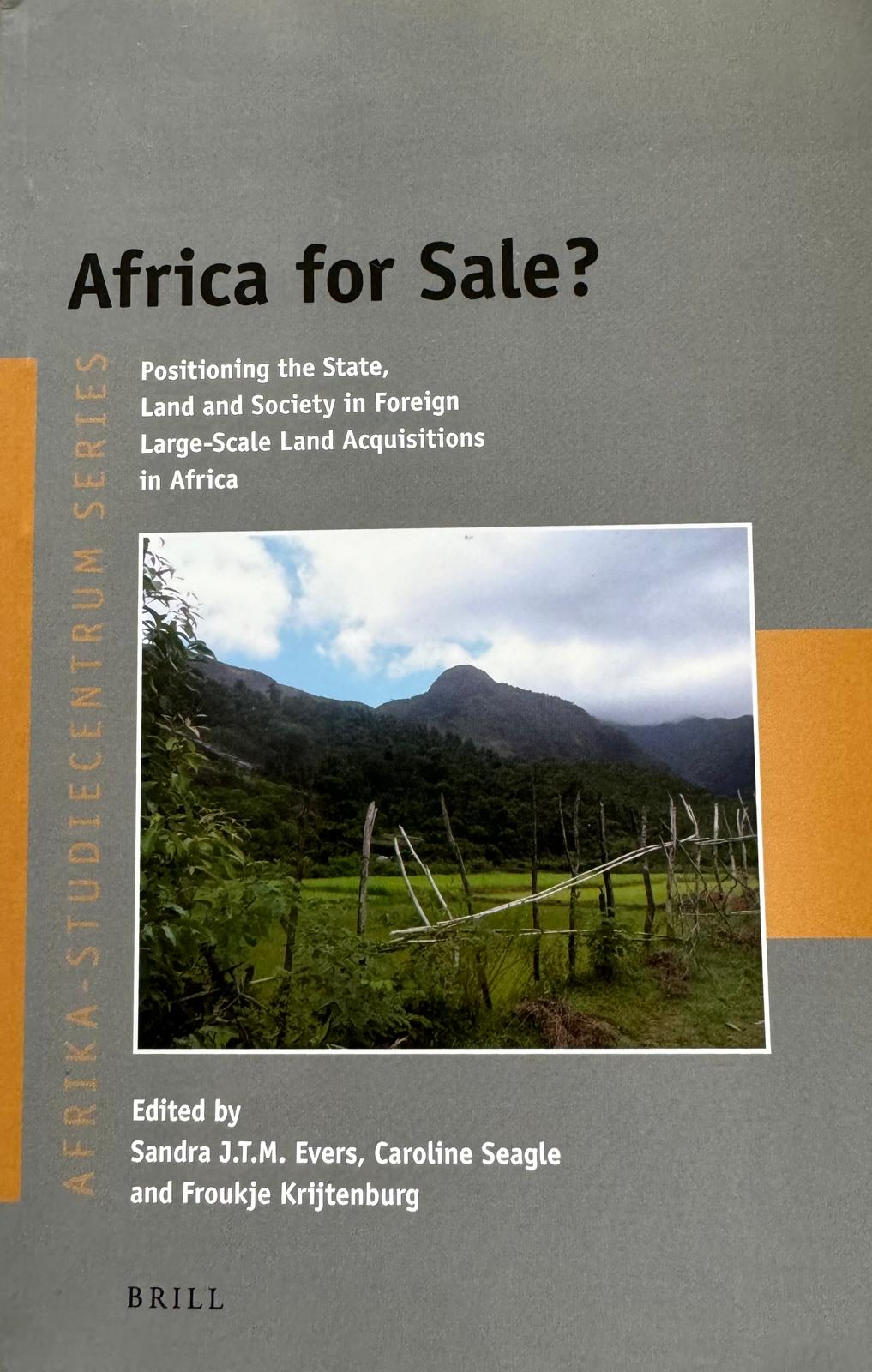
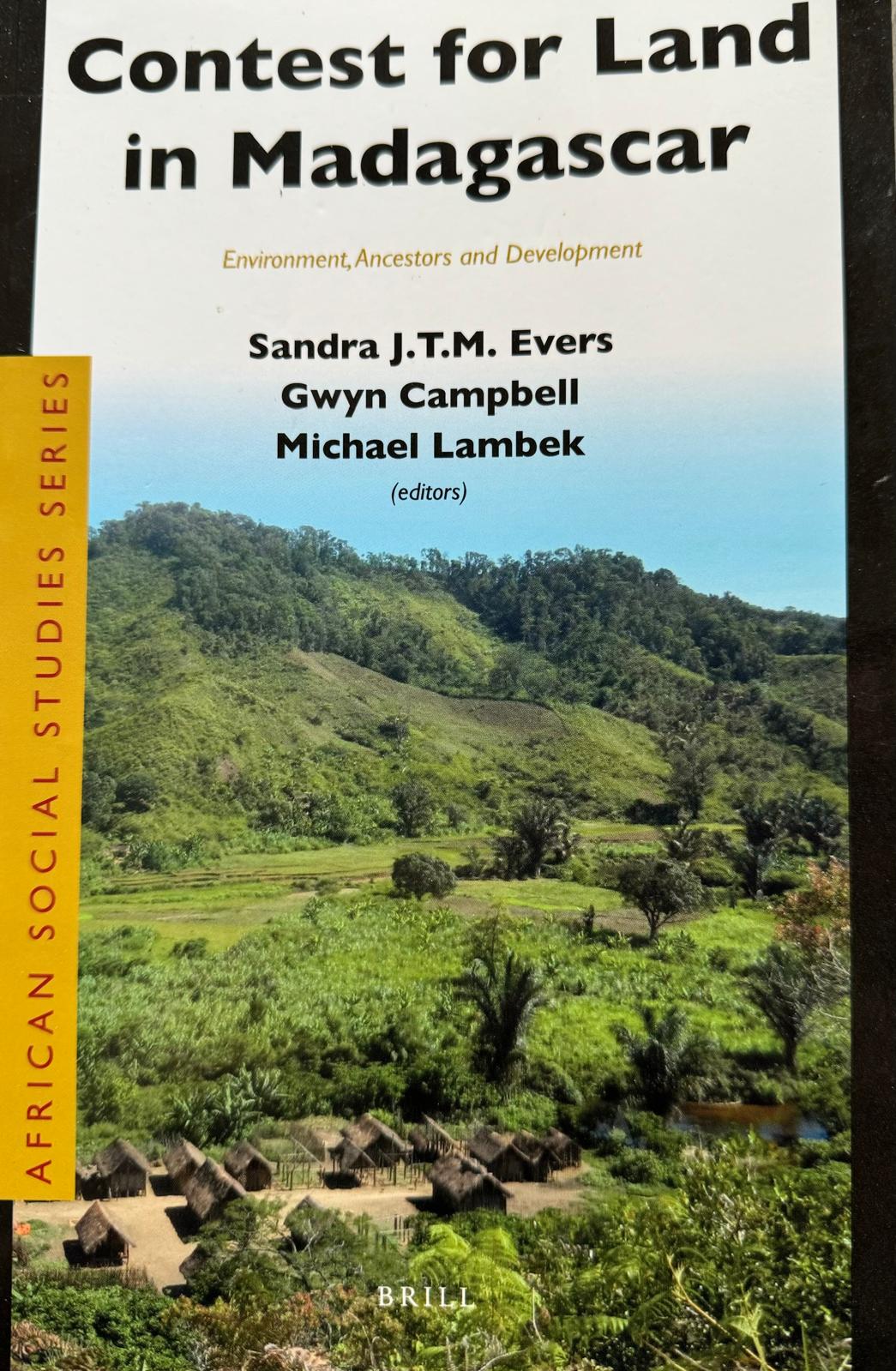
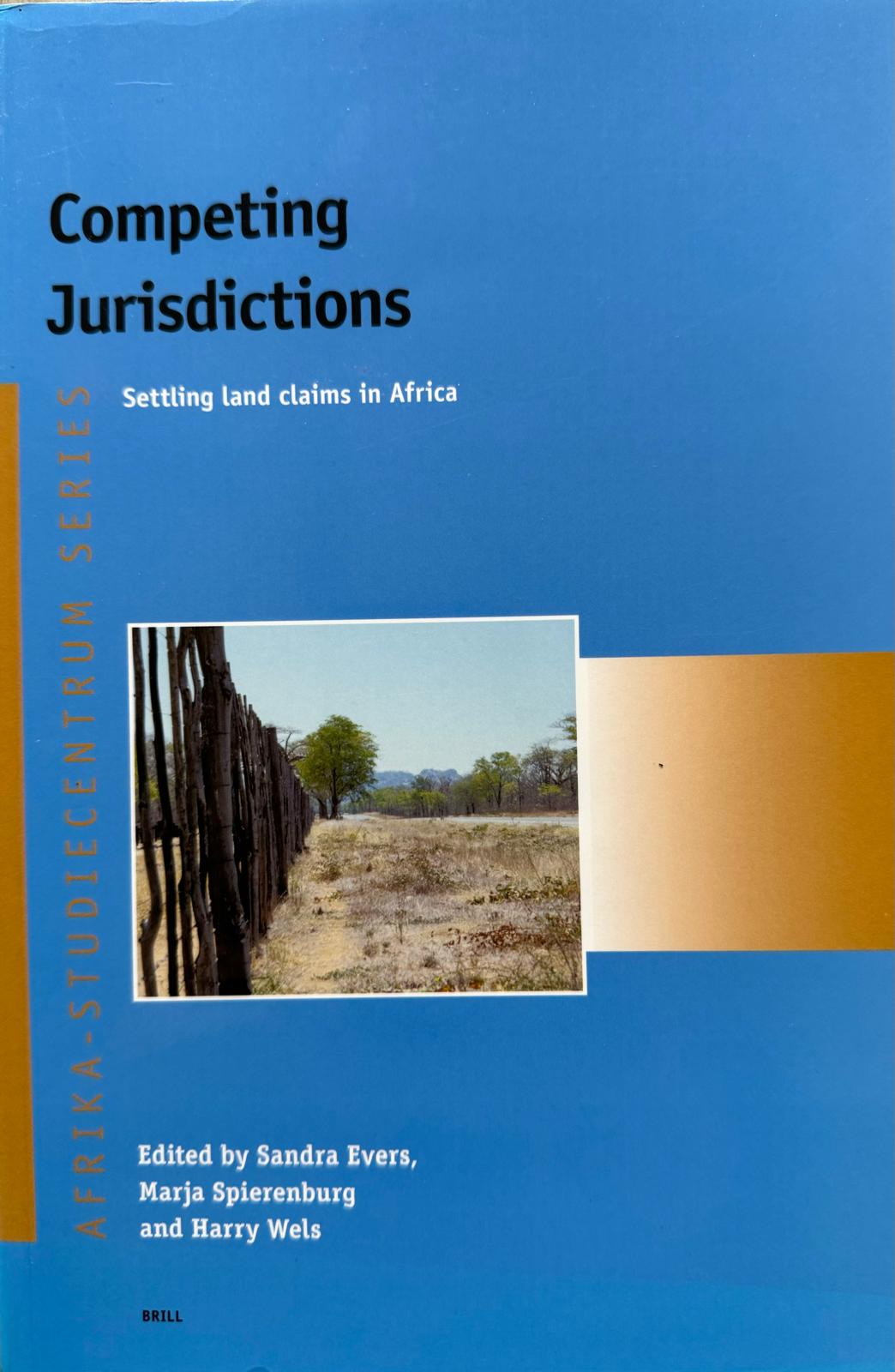
Evers, M. J. Spierenburg, & H. Wels (Eds.), Competing jurisdictions. Settling land claims in Africa
Long March to Rome
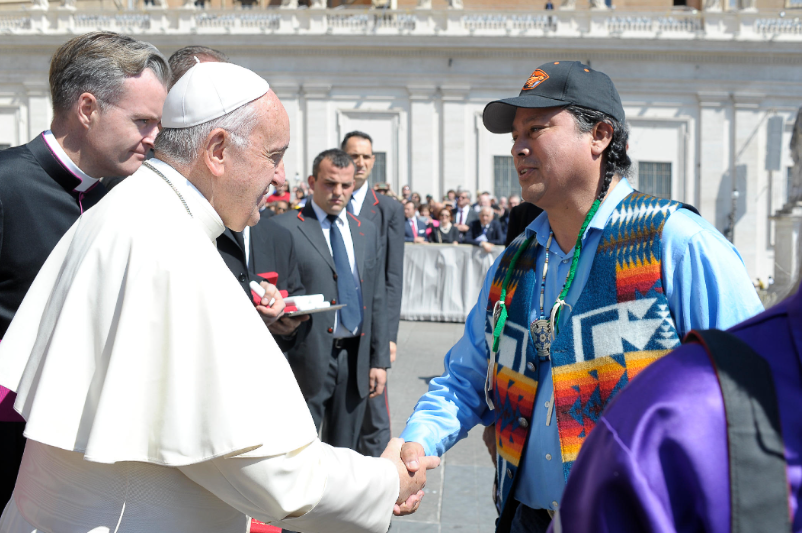
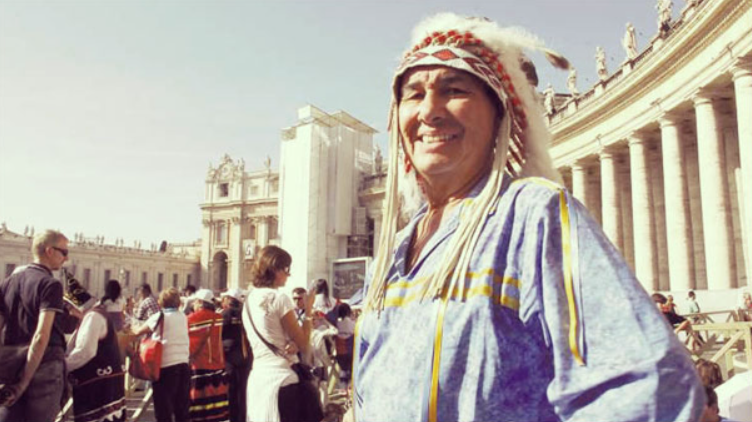
The Long March to Rome is a dissemination event of the NWO WOTRO Research programme "Development as a Trojan Horse? Foreign Large-scale Land Acquisitions in Ethiopia, Kenya, Madagascar, Senegal and Uganda" (director Dr Sandra J.T.M. Evers). The Long March to Rome was born of a series of discussions with indigenous leaders in Vancouver British Columbia during early Spring, 2014. Further discussions with numerous hereditary chiefs, elders and interveners representing First Nations groups in Canada and the United States led to a growing consensus that a petition should be presented to Pope Francis I, asking that he revoke the two papal bulls Romanus Pontifex (1455) and Inter Caetera (1493) as contrary to modern international law and as violations of the basic human rights of aboriginal peoples worldwide.
On 30 April 2016 and 1 May, indigenous leaders held a Gathering of Nations in Florence and from there went on to meet on 4 May with Pope Francis I and a high commission of the Vatican for the first time in over 500 years to discuss the revocation of the papal bulls.
Books & Other Publications
-
2023
How, when and why abilities go social: researching children's empathy and prosocial behaviors in context
Roerig, S., van Wesel, F., Evers, S. J. T. M., van der Meulen, A. & Krabbendam, L., 2023, In: Frontiers in Psychology. 14, p. 1–14, 952786.
-
2020
Claim-making in transnational land deals: Discourses of legitimation and stakeholder relations in central Uganda
Maiyo, J. & Evers, S. J. T. M., Feb 2020, In: Geoforum. 109, p. 125–134.
-
2019
Theatre Elicitation: developing a potentially child-friendly method with children aged 8–12
Roerig, S. & Evers, S. J. T. M., 15 Jul 2019, In: Children's Geographies. 17, 2, p. 133–147.
-
2016
Mending the levee: How supernaturally anchored conceptions of the person impact on trauma perception and healing among children (cases from Madagascar and Nepal)
Evers, S. J. T. M., van der Brug, M., van Wesel, F. & Krabbendam, L., 2016, In: Children & Society. 30, p. 423–433.
-
2016
'Staying active' in confined living conditions: Participation assessments of young asylum seekers (aged 12–23) in the Netherlands
Pozzo, M. & Evers, S. J. T. M., 2016, In: Children's Geographies. 14, 4, p. 468–481.
-
2015
Was the 'Discovery' of America a 'Holy and Praiseworthy' Christian Mission?
MacKinnon, D. & Evers, S. J. T. M., 3 May 2015, In: Indian Country Today.
-
2015
Researching children's individual empathic abilities in the context of their daily lives: the importance of mixed methods
Roerig, S., van Wesel, F., Evers, S. J. T. M. & Krabbendam, L., 2015, In: Frontiers in Neuroscience. 9, 261.
-
2015
Situating children's rights in cultural perspectives on childhood: Intermedial dialogue
Evers, S. J. T. M., Vadeboncoeur, J. & Weber, B., 2015, In: The Canadian Journal of Children's Rights. 2, 1, p. 48–71.
-
2014
Putting a spin on Jatropha: How conservationist rhetoric drove Bedford Biofuels out of Tana Delta-Kenya
Krijtenburg, F. & Evers, S. J. T. M., 2014, In: Sustainability. 6, 5, p. 2736–2754.
-
2014
Theorising age and generation in development: A relational approach
Huijsmans, R., George, S., Gigengack, R. & Evers, S. J. T. M., 2014, In: The European Journal of Development Research. 26, 2, p. 163–174.
-
2012
Ideology and the self-fulfilling prophecy in conservation and social science research
Evers, S. J. T. M., 2012, In: Madagascar Conservation & Development. 7, 3, p. 112–116.
-
2012
Stealing the sacred: Why 'global heritage' discourse is perceived as a frontal attack on local heritage-making in Madagascar
Evers, S. J. T. M. & Seagle, C. W., 2012, In: Madagascar Conservation & Development. 7, 2S, p. 97–107.
-
2012
Sur la piste des Rasikajy de nord-est de Madagascar
Rabemanantsoa, C., van Dijk, A. & Evers, S. J. T. M., 2012, In: Études Océan Indien. 46–47, p. 107–133.
-
2012
The Rasikajy civilization in northeast Madagascar: a pre-European Chinese Community?
Schreurs, G., Evers, S. J. T. M., Radimilahy, C. & Rakotoarisoa, J-A., 2012, In: Études Océan Indien. 46–47, p. 91–107.
-
2010
Malagasy challenges in achieving the millennium development goals: Security, competing jurisdictions, land access and livelihoods
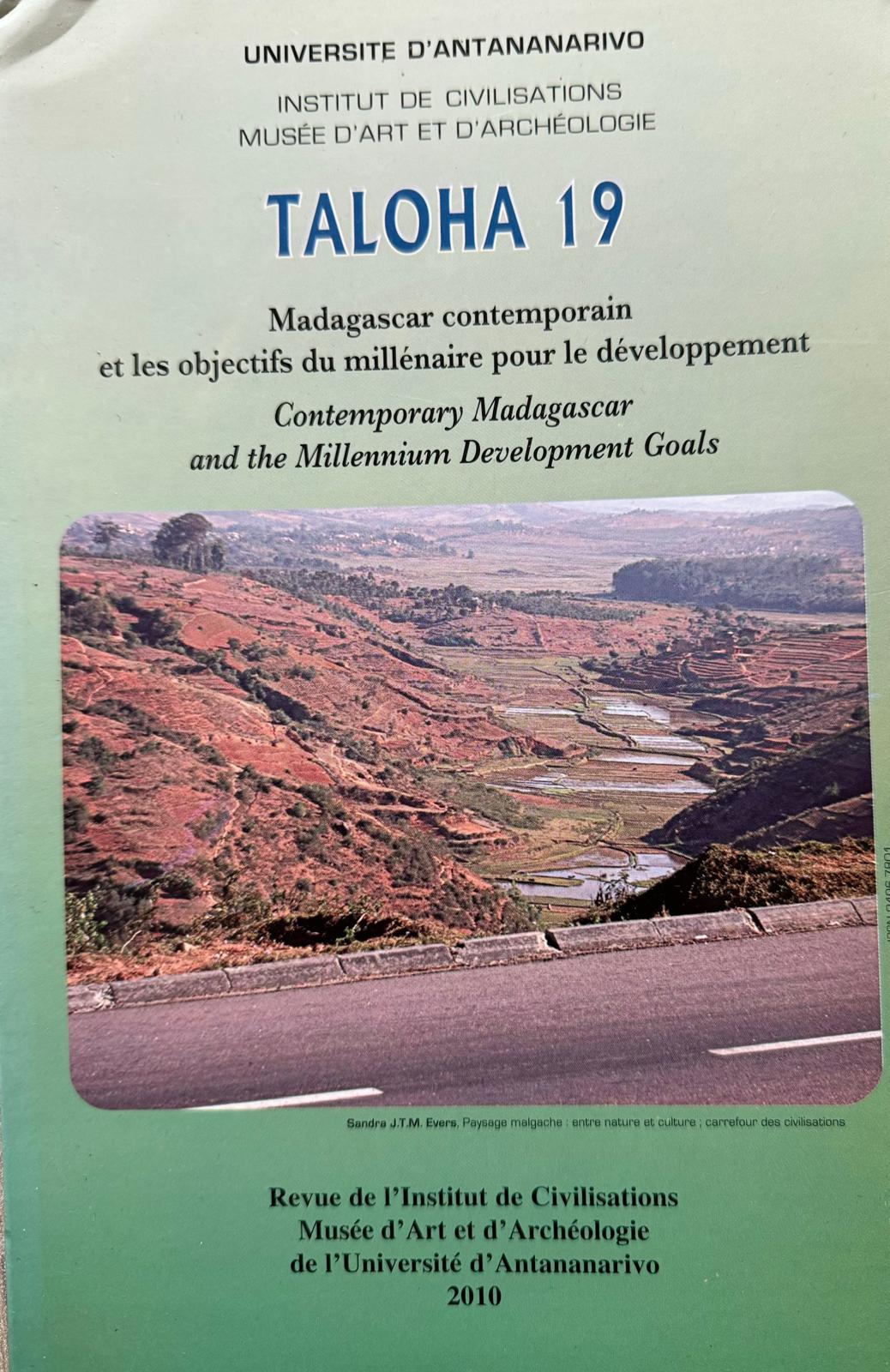
Rakotondrasoa, M. L. & Evers, S. J. T. M., 2010, In: Taloha. Jan. 2010, 19, p. 23–30.
-
2010
Objectifs du millénaire pour le développement - Sécurité, conflits de lois et accès à la terre dans le contexte malgache
Rakotondrasoa, M. L. & Evers, S. J. T. M., 2010, In: Taloha. Jan. 2010, 19, p. 15–22.
-
2009
Memory politics and identity construction in migrant societies (Madagascar, Seychelles, Mauritius)
Evers, S. J. T. M., 2009, In: Journal of Mauritian Studies. 23, 1 (special issue), p. 78–100.
-
2007
Autrefois, il y avait des rizières... La vie quotidienne loin des terres ancestrales
van den Heuvel, M. & Evers, S. J. T. M., 2007, In: Taloha. 43, 18.
-
2007
Case studies of land access practices in Fianarantsoa province, Madagascar
Müller, D. F. & Evers, S. J. T. M., 2007, In: Taloha. 43, 18.
-
2007
Complexité de l'accès à la terre dans le Sud-Est de Madagascar
Pronk, C. C. & Evers, S. J. T. M., 2007, In: Taloha. 43, 18.
-
2007
Etude de cas sur les pratiques d'accès à la terre dans la province de Fianarantsoa, Madagascar
Müller, D. F. & Evers, S. J. T. M., 2007, In: Taloha. 43, 18.
-
2007
Once there were rice-fields... Life away from the ancestral land
van den Heuvel, M. & Evers, S. J. T. M., 2007, In: Taloha. 43, 18.
-
2007
The complexities of land access in Southeast Madagascar
Pronk, C. C. & Evers, S. J. T. M., 2007, In: Taloha. 43, 18.
-
2006
Expropriated from the hereafter: the fate of the landless in the Southern Highlands of Madagascar
Evers, S. J. T. M., 2006, In: Journal of Peasant Studies. 33, 33, p. 413–444.
-
2006
Lois nationales et pratiques locales: Conflit de compétences dans la gestion foncière à Madagascar
Evers, S. J. T. M., Haak, M., Lingnau, I., Lokhorst, N. & Pronk, C., 2006, In: Taloha. 42, 16–17, p. 187–200.
-
2006
National Legislation and Local Practices: Competing Jurisdictions in Land Management in Madagascar
Evers, S. J. T. M., Haak, M., Lingnau, I., Lokhorst, N. & Pronk, C., 2006, In: Taloha. 42, 16–17, p. 201–212.
Books
Awards
The Faculty made clips (in Dutch) of its top professors:
- 2014 Best teacher Faculty of Social Sciences, VU University Amsterdam
- 2012 Nomination for best teacher Faculty of Social Sciences, VU University Amsterdam
- 2011 Acquisition of NWO-Wotro funded Integrated Programme (2011–2017) "Development as a Trojan Horse? Large-scale Land Deals in Ethiopia, Kenya, Madagascar, Senegal and Uganda."
- 2011 Nomination for Research Prize Faculty of Social Sciences, VU University Amsterdam
- 2010 Nomination for best teacher Faculty of Social Sciences, VU University Amsterdam
- 2009 Nomination for best teacher of Faculty of Social Sciences, VU University Amsterdam
- 2008 Mini-Beatty Grant (Beatty Memorial Lectures Committee) "Lex Loci meets Lex Fori: Merging Customary Law and Land Legislation in Madagascar" (10 October 2008, McGill Montreal Canada)
- 2007 Best teacher Department of Social and Cultural Anthropology, VU University Amsterdam
- 2007 Best teacher Faculty of Social Sciences, VU University Amsterdam
- 2007 Faculty fellowship for research project "Memory and Retrieval: Construction of Self and Homeland among deported Chagossians in Mauritius"